Episodes
May 11, 2026
The Post-Soviet Human Condition
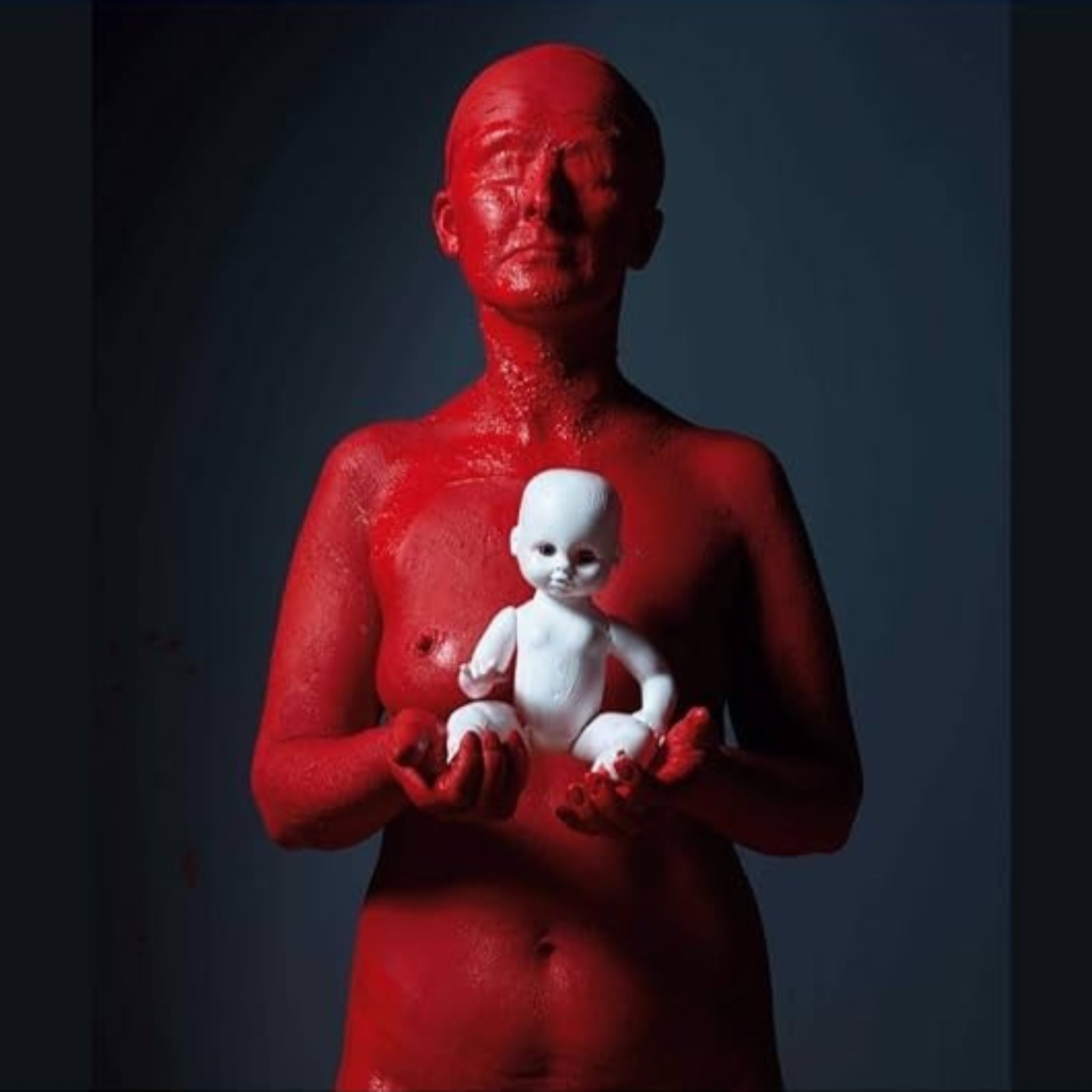
The Eurasian Knot hasn’t featured many philosophers. So when Ukrainian political philosopher, Mikhail Minakov, came to the University of Pittsburgh to give a talk, I eagerly pulled him into a studio. The result was a wide ranging conversation on the collapse of communism, the post-Soviet human, Kantian philosophy, our current global political conjecture, and the crisis of liberalism. What is a post-Soviet human and how does s/he differ from their Soviet counterpart? What are the seeds and expres...
May 4, 2026
Bye, Bye Orban
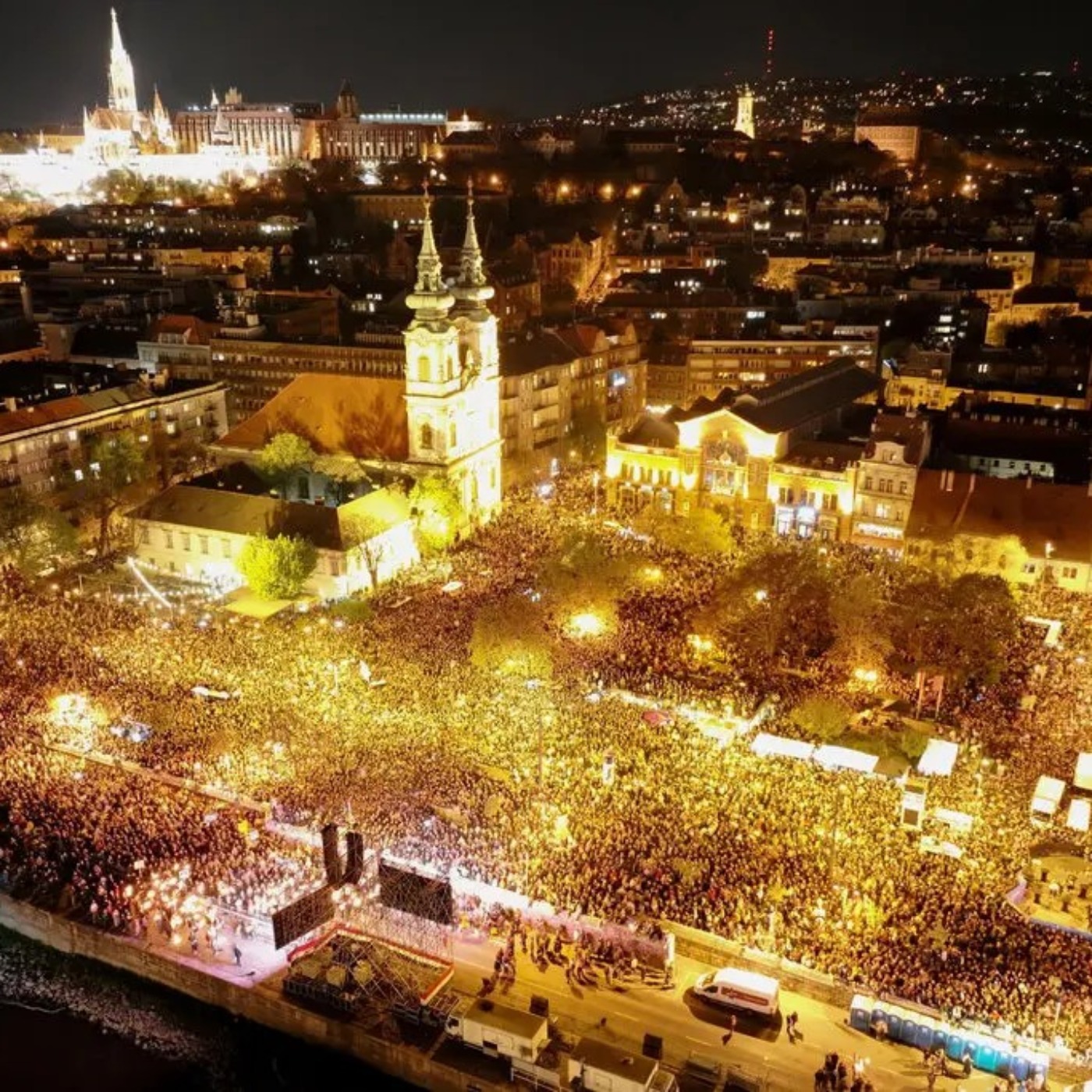
On April 12, 2026, Hungarians overwhelmingly voted Peter Magyar into office ending the sixteen-year rule of Viktor Orban. It was a stunning victory that sent voters into the streets to celebrate. Now, observers are looking to see whether Magyar will roll back Orban’s illiberal system and even prosecute Orban and his clients for corruption. Commentators will also watch now how the strongman’s defeat will reverberate in the region and what it might mean for rightwing authoritarianism throughout th...
May 1, 2026
The Georgian August 1924 Uprising
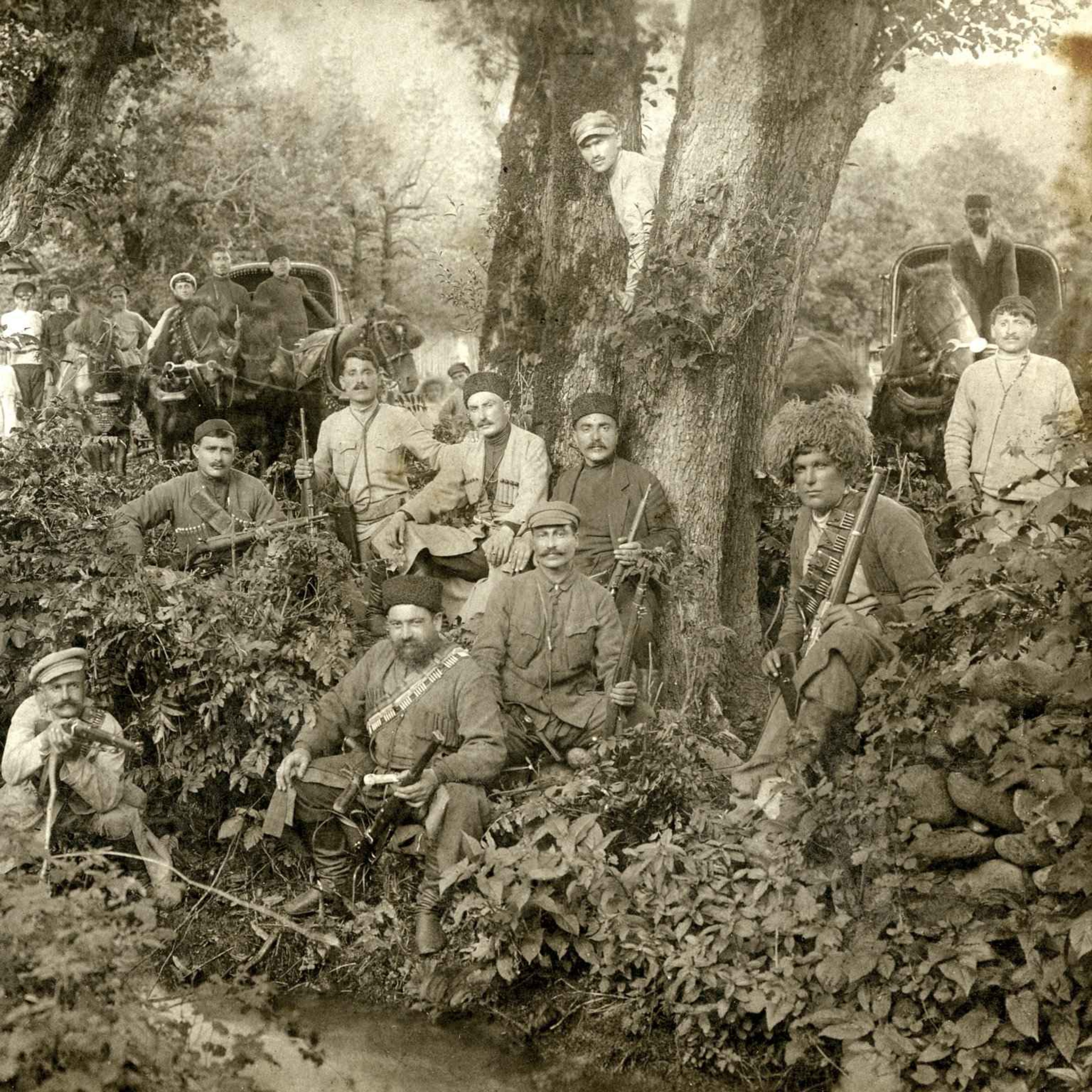
In August 1924, a group of rebels organized by the anti-Bolshevik Committee for the Independence of Georgia and led by the Georgian Social Democratic Party, rose up against Soviet forces in the mining town of Chiatura. The Bolshevik reaction was swift and harsh. The fear of another "Kronstadt” still haunted the Bolsheviks, especially since their control over Georgia was tenuous. The uprising failed. Thousands were killed. Its ringleaders either fled into exile or were executed by the Georgian Ch...
April 20, 2026
The Edge of Sports
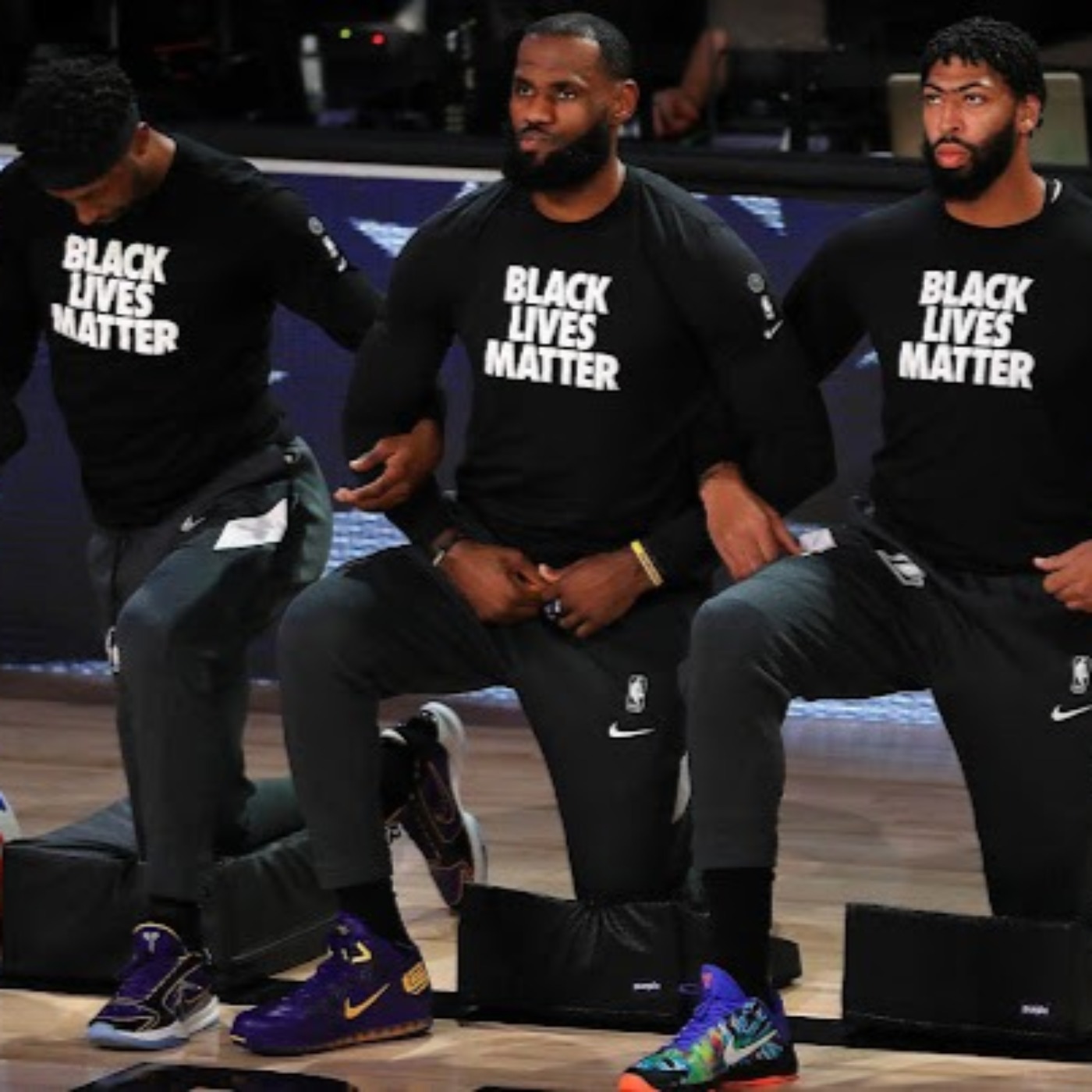
Spoiler alert. This episode has nothing to do with the Eurasian Knot’s usual fare. Dave Zirin was speaking at the University of Pittsburgh. Zirin is one of the few sports journalists on the political left. I’ve been a long-time fan. I’m also a sports fan, especially basketball. So, when I was offered an interview, I grabbed my digital recorder. And Dave, though exhausted, was gracious enough to talk. The result is a wide ranging discussion of key issues in the sports world–politics, labor, race,...
April 6, 2026
Everyday Politics in Russia
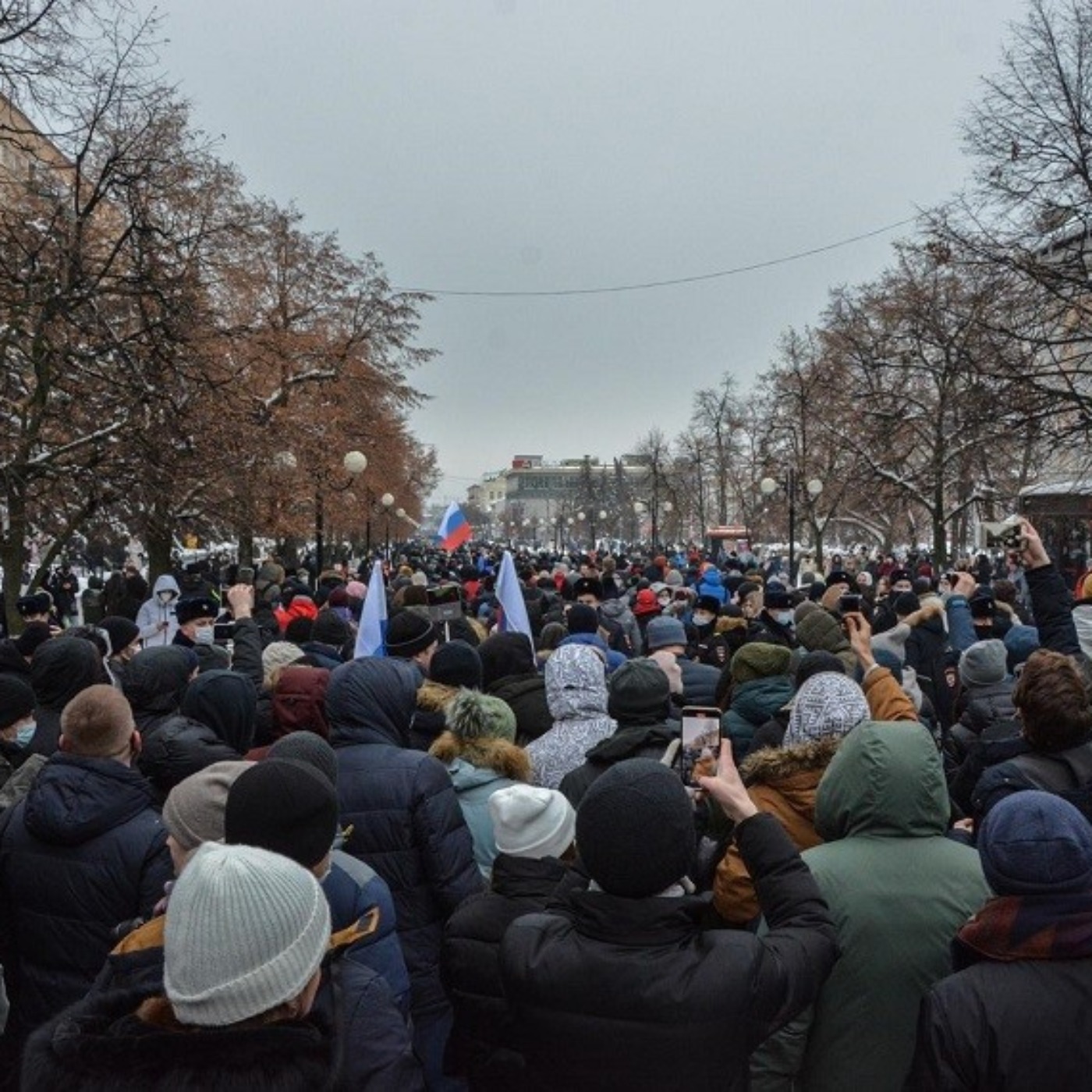
What do Russians really think? The question is old and elusive. It is also somewhat of a tell–to pose it is to suggest there’s a coherent answer, and more so, that Russians’ collective opinions matter. For the most part, scholars have turned to history, media, opinion polls, and assumptions to untie this knot. Jeremy Morris is no different in this regard, except that he approaches his subjects with ethnography–long, multi-year conversations of residents of provincial Russia to gauge their engage...
March 23, 2026
Ukraine's Euromaidan
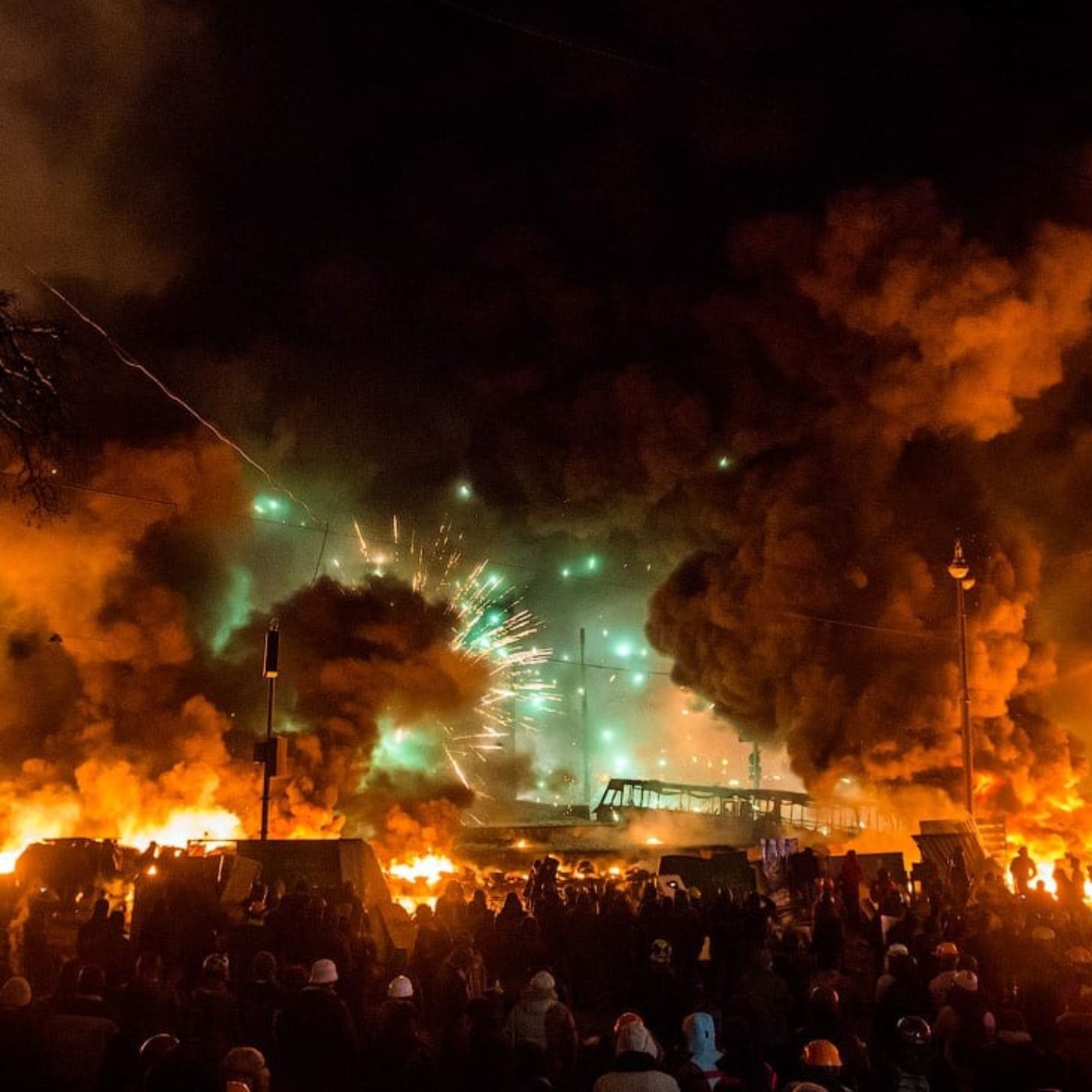
In the winter of 2013-14, protests erupted in Kyiv, Ukraine. Their goal was to oppose President Viktor Yanukovich’s rejection of the EU Association Agreement. Many protesters saw the Agreement as a meaningful step for Ukraine to enter the European orbit. And the protests might have fizzled. But the massacre of over 120 people by police snipers on 20 February, 2014, inspired hundreds of thousands more to enter the streets, seize government buildings, and occupy city centers. The protests quickly ...
March 16, 2026
KGB Same-Sex Honey Traps
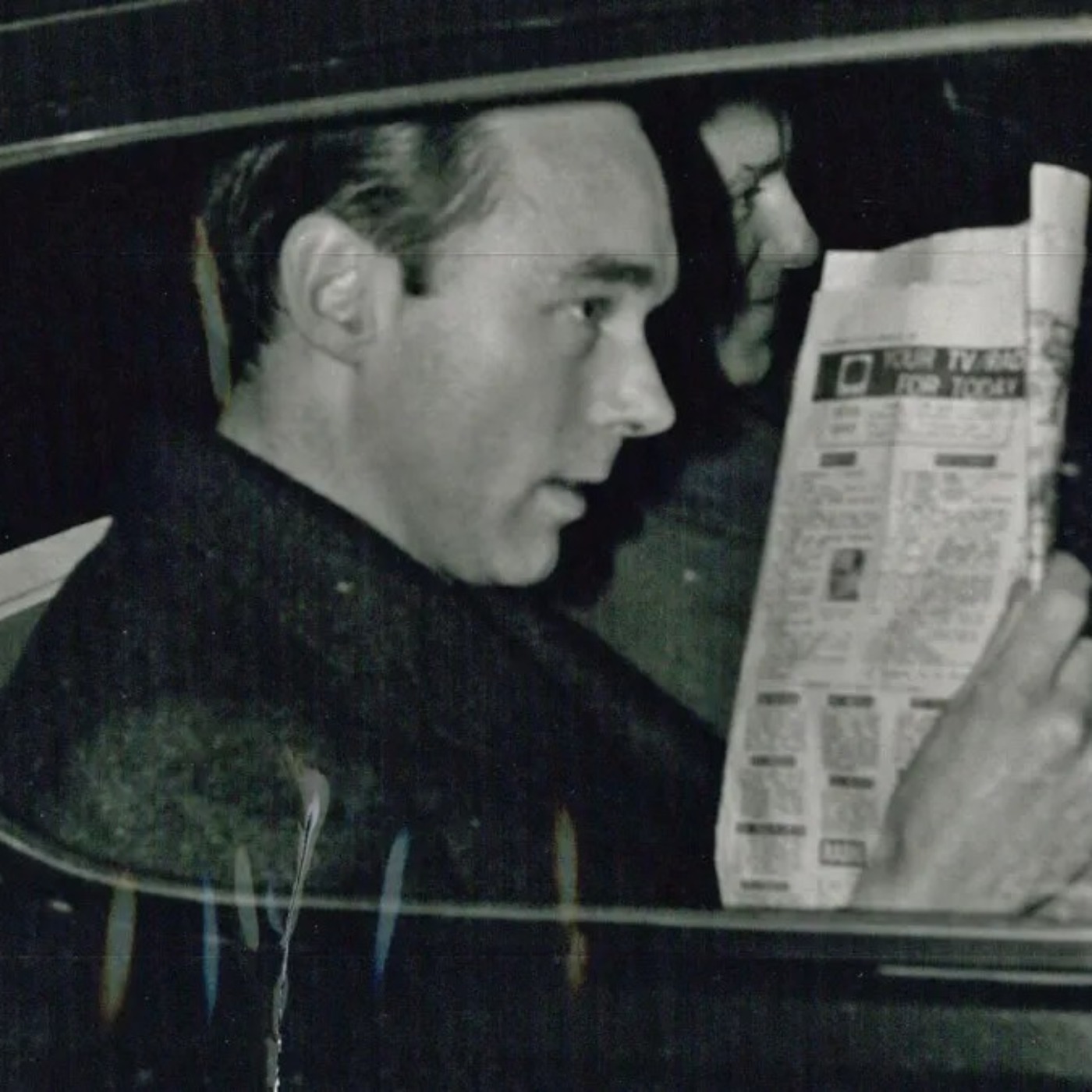
One of the most salacious and storied methods of KGB spycraft during the Cold War was the honey trap. Agents would get an informant to seduce a target, usually a Westerner deemed important. Then use that encounter as blackmail. We’re all aware of this thanks to movies and television. What we know nothing about are same-sex honey traps. The KGB’s use of homosexual men to seduce other men, whether said men were gay or not. Officials, academics, businessmen and other power positions were targets. H...
March 9, 2026
The Bolshevik Rank and File
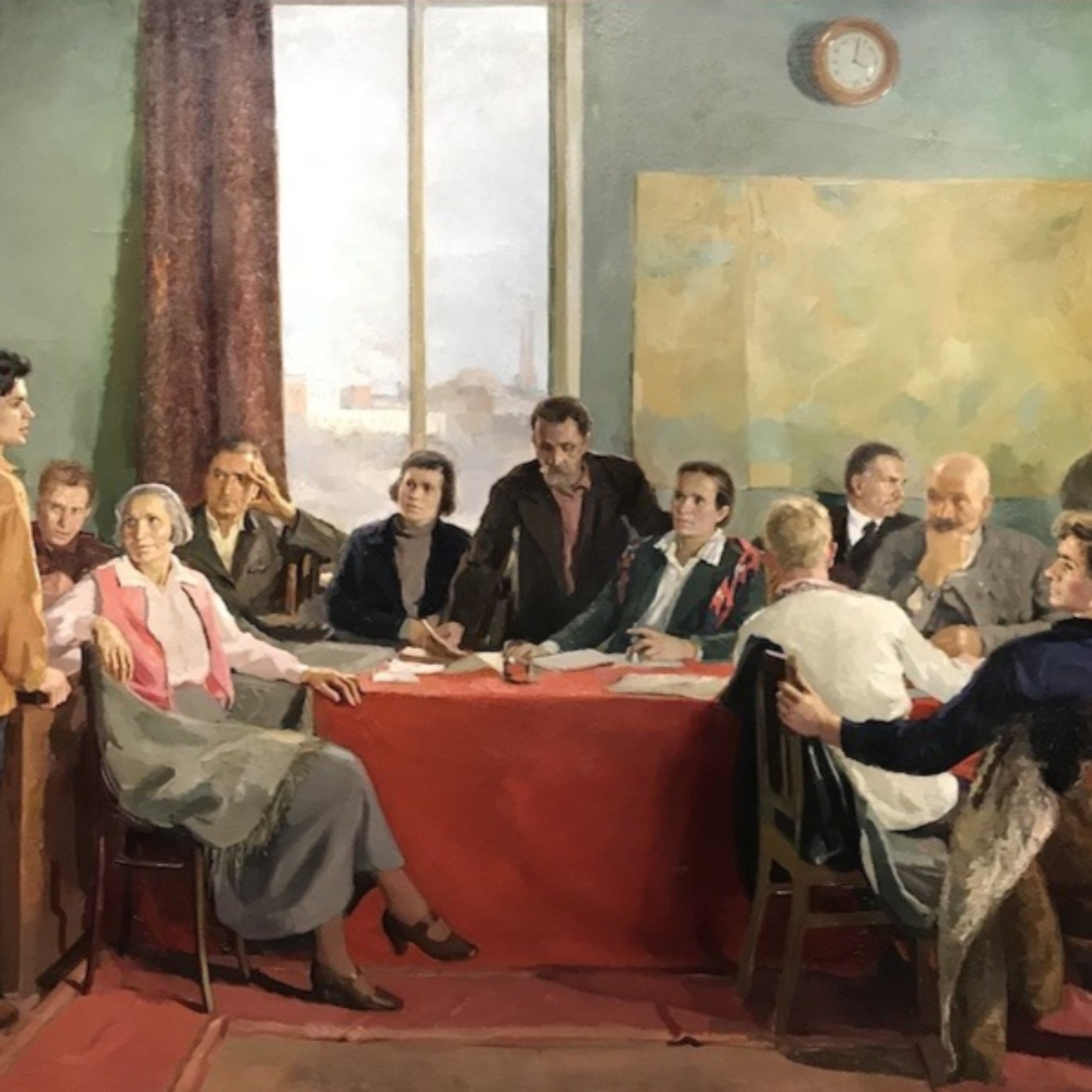
In 1917, the Bolshevik Party had roughly 24,000 members. A decade later, it boasted about 1.2 million. Recruitment came in waves and so did the purges. Still, Party members were found at the top and bottom of the system. In the Kremlin and in the factories. The Party rank and file were vital to the establishment of the Soviet system, its day-to-day functioning, and the human material for campaigns whether they be for literary, industrialization, collectivization or terror. But who were these peo...
March 5, 2026
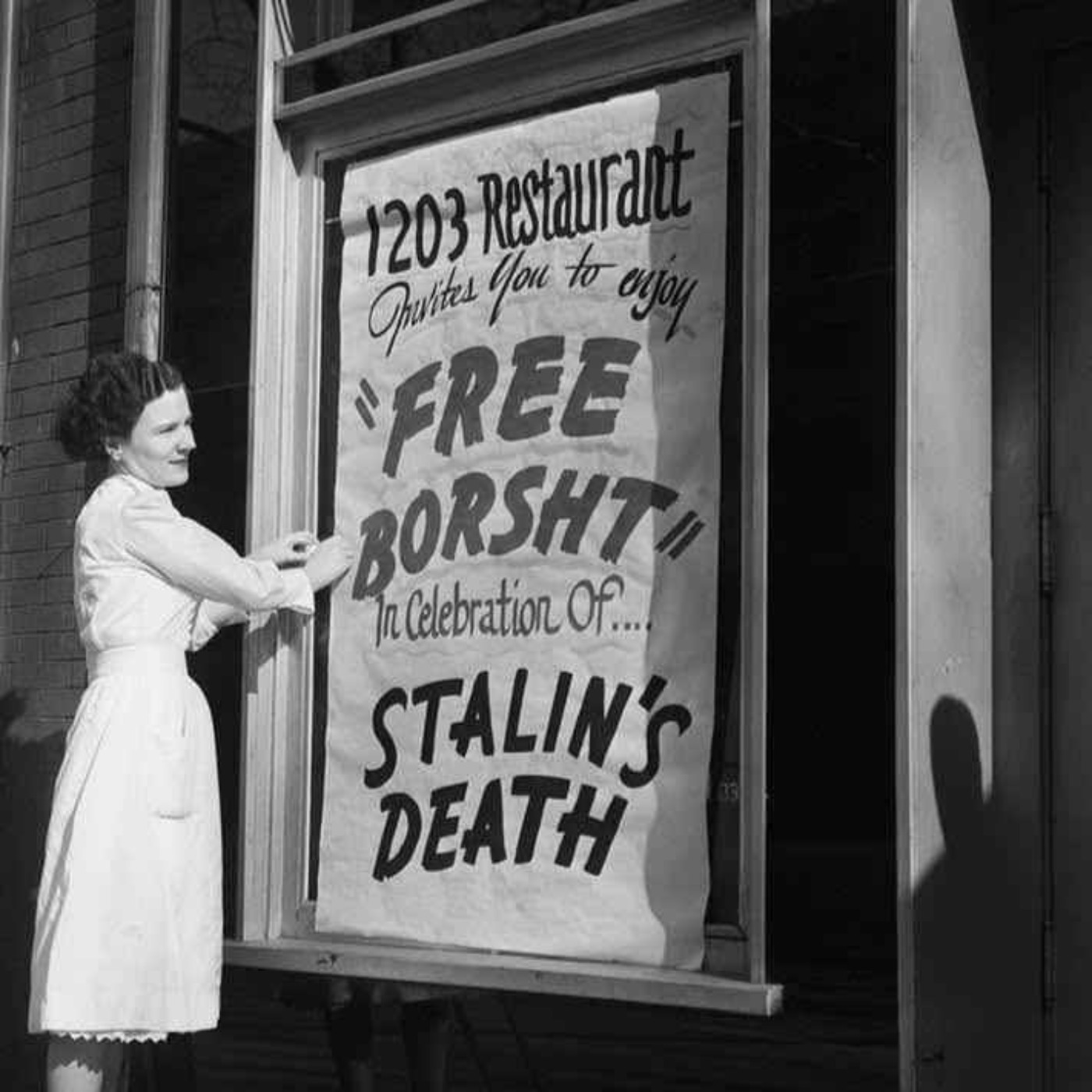
Stalin's Last Days
Joseph Stalin died today, March 5, seventy-three years ago. So, I thought it would be a good idea to dig out, re-edit and remaster, the interview I did with Joshua Rubenstein back in 2018 about the dictator’s final days. What did Stalin focus on in the final years of his life? How did Soviet leadership react to his death? Soviet society? And internationally? Let’s revisit what Rubenstein had to tell us from his book, The Last Days of Stalin. Guest: Joshua Rubenstein is an associate of the Davis...
March 2, 2026
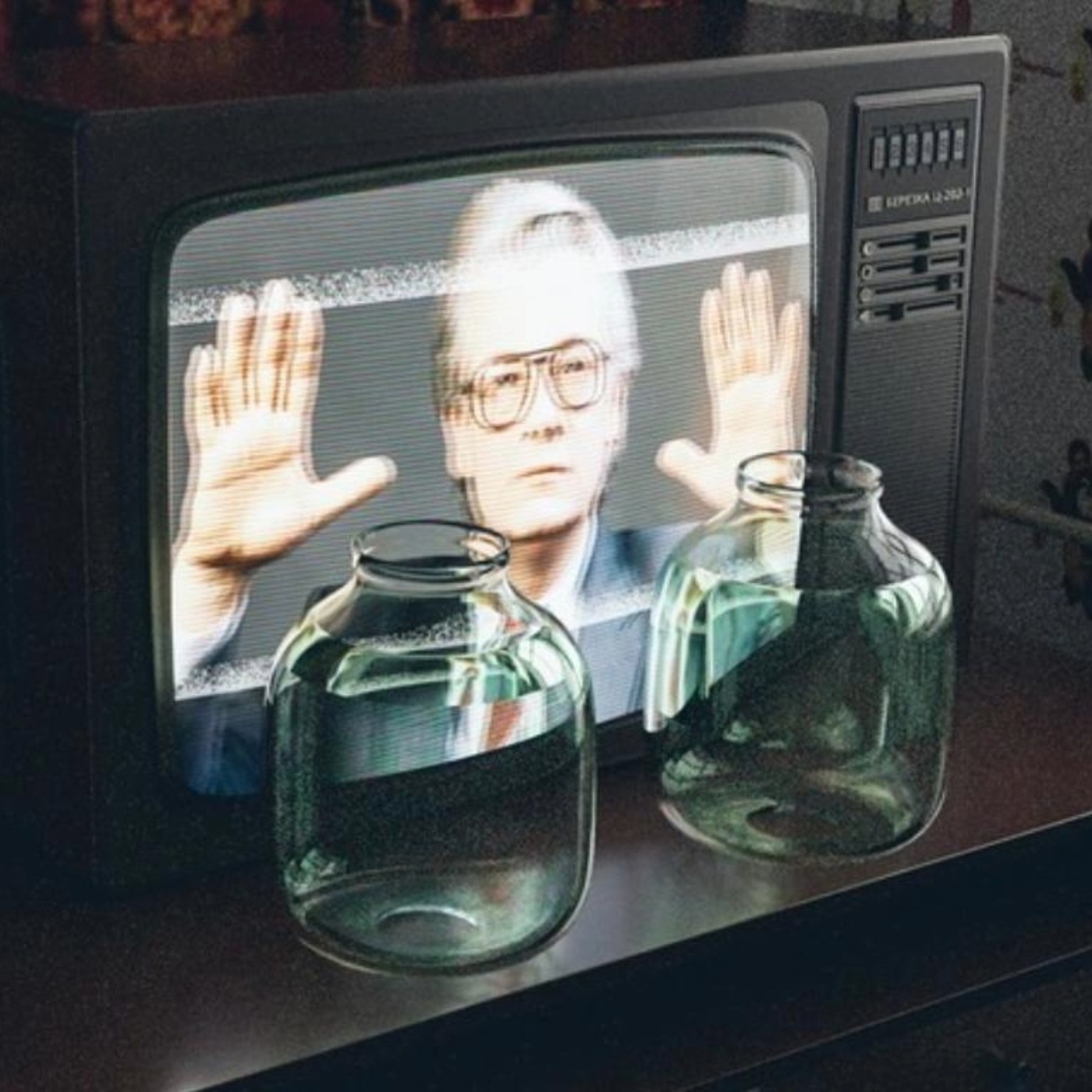
Searching for Belief during the Soviet End Times
When societies are in crisis, people tend to seek alternative belief systems to give them comfort, explain a complex world, or fill a space left vacant by discredited ideologies and faiths. Like the embrace of spiritualism after the mass death during the American Civil War. The growth of millenarian movements and cults for fear of the end times. Or even the embrace of conspiracy theories to explain the unimaginable. The Soviet Union was no exception. As the system broke apart and Marxism-Leninis...
Feb. 23, 2026
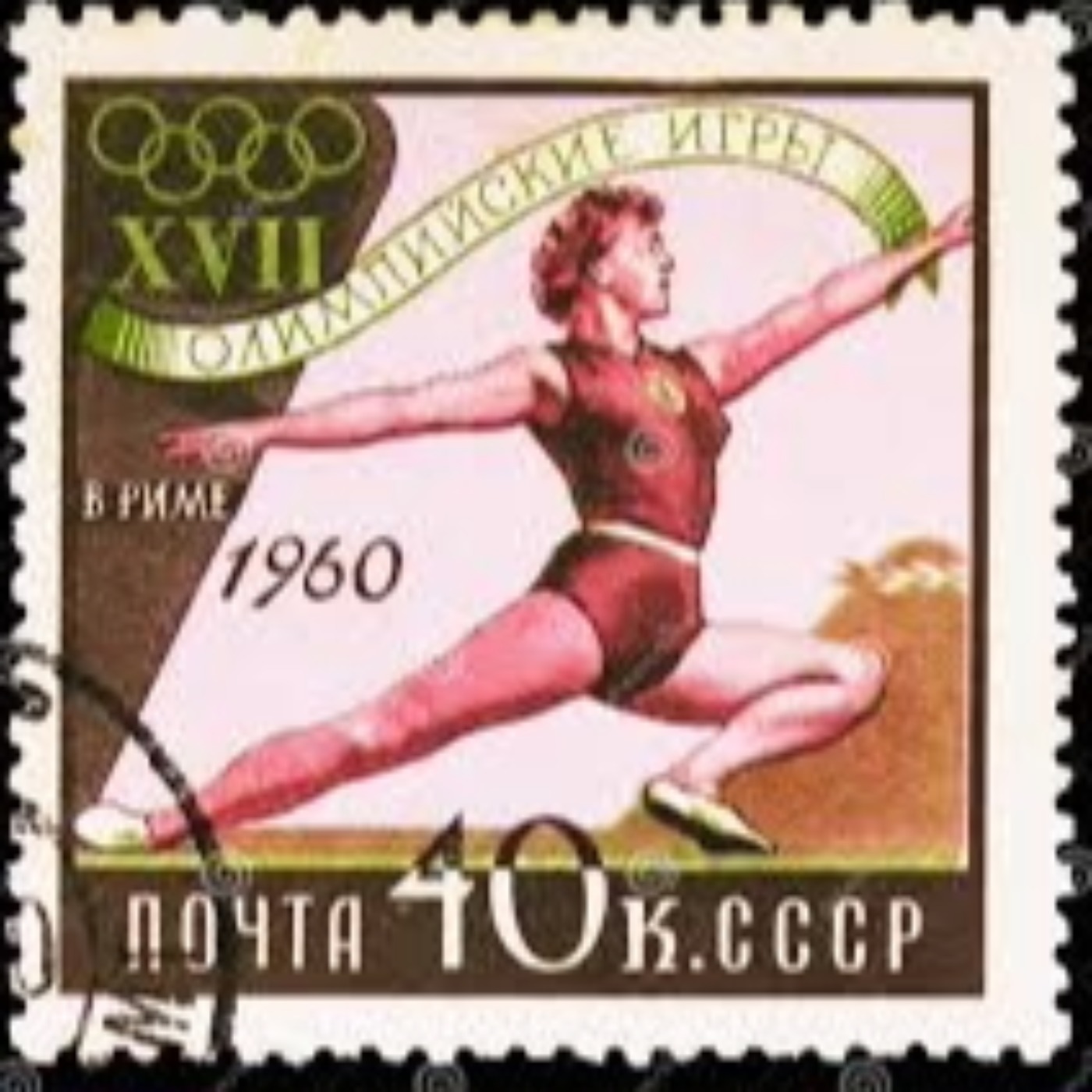
Moscow's Hunt for Olympic Gold
As a Cold War kid, I remember the intense rivalry between the United States and USSR during the Olympics. Of course, we remember the US’ boycott in 1980 because of the Soviet invasion of Afghanistan. And the Soviet boycott in 1984 in response to the American boycott. Who bested who was not just about national pride. It was a testament as to who had the better system: communism or capitalism. What I didn’t know then was that for Moscow, winning was everything. Losing came with consequences. Why w...
Feb. 16, 2026
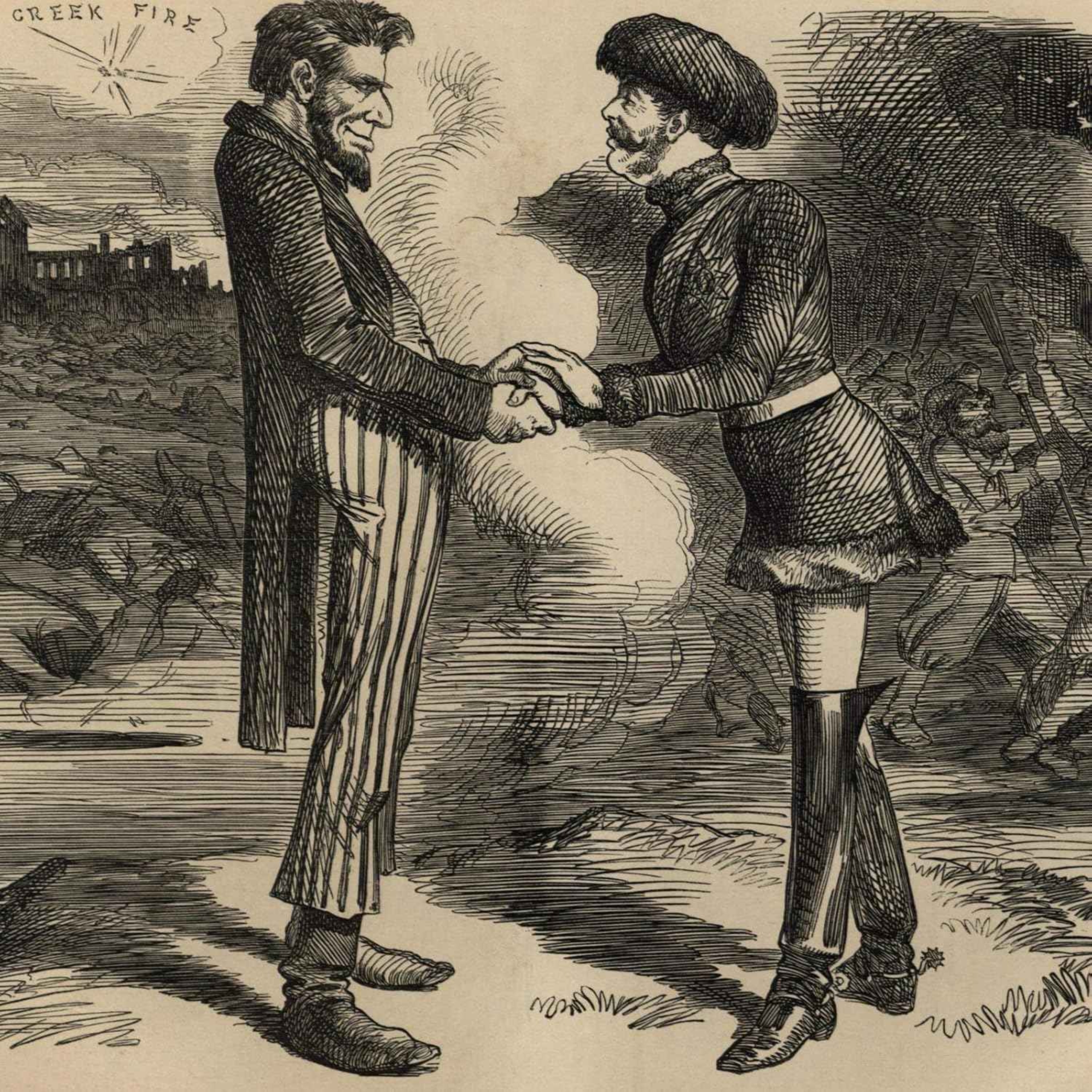
The Long History of American-Russian Relations
A quick scan of the hundreds of books on US-Russia relations gives the impression that the two countries only met in the 20th century. But relations go back to the early days of the American republic. And, surprisingly, throughout most of the 19th century, the United States and Russia were amicable powers joined in their mutual suspicion of Britain. Relations only began to deteriorate as the US increasingly entered global politics beyond the western hemisphere. What was the historical nature of ...

Feb. 9, 2026
REEES Faculty Spotlight: Gregor Thum
The history of borders and nations in Eastern Europe is fraught. What we even call the region is a site of contestation. Is it “Eastern Europe,” “Central Europe,” or “East Central Europe”? For Pitt historian Gregor Thum, space and how it’s delineated matters. This is especially the case for Germany and its eastern borderlands and people. Empire, war, ethnic cleansing, and shifting borders have left their marks on regional identity and memory. To the point, as Thum explains, a simple photograph h...
Feb. 2, 2026
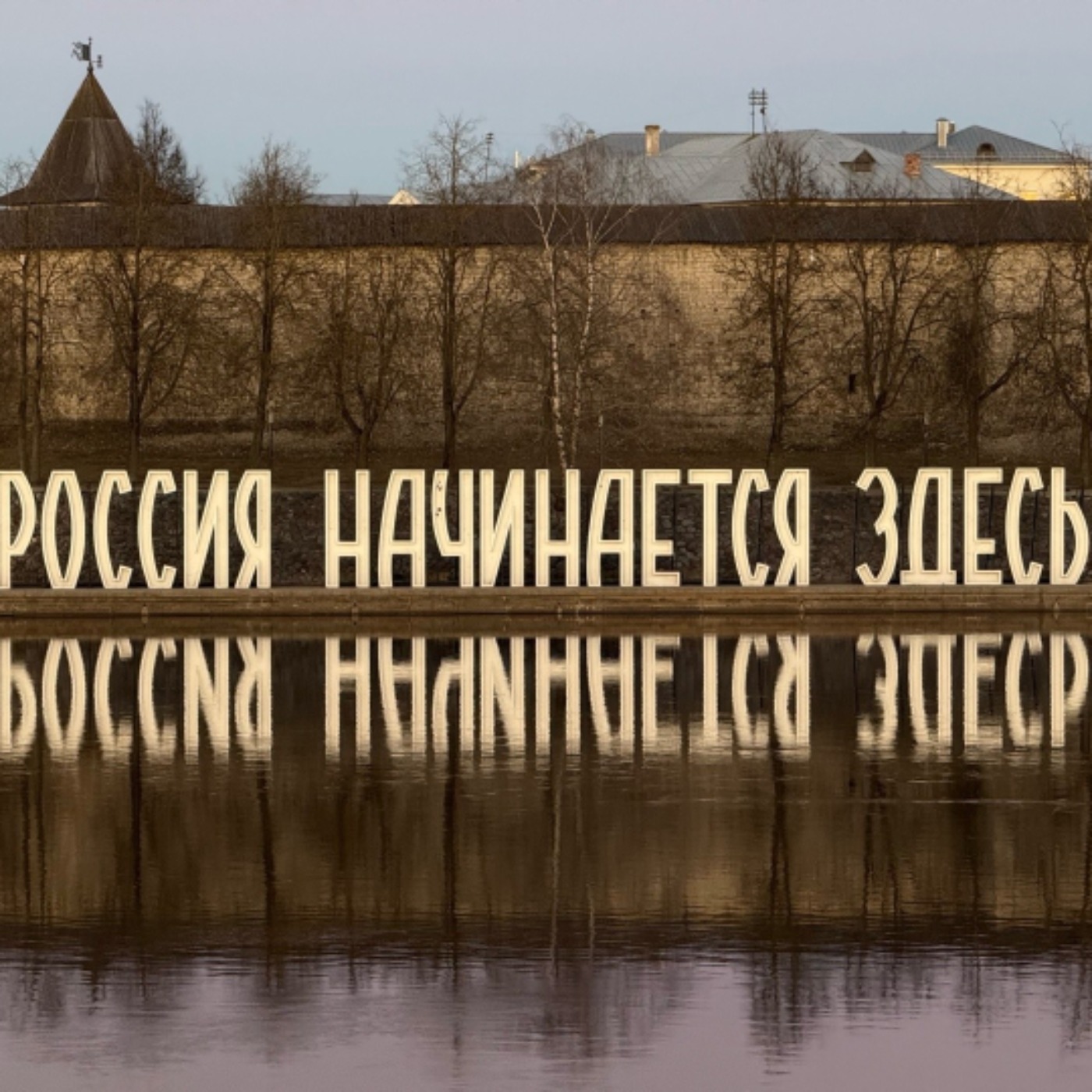
Russia Starts Here
What is Russia? There’s no easy answer. Travelers, scholars, philosophers, and journalists have pondered the question for centuries. And though answers vary, there is one point of consensus–whatever Russia is, you won’t find it in large cities. “Russia” exists out there, deep in the countryside, in the small towns and villages. For journalist Howard Amos, Russia begins in the provincial city of Pskov. “Russia Starts Here” is its slogan, and Amos uses it to pry open the lives of the region's citi...
Jan. 26, 2026
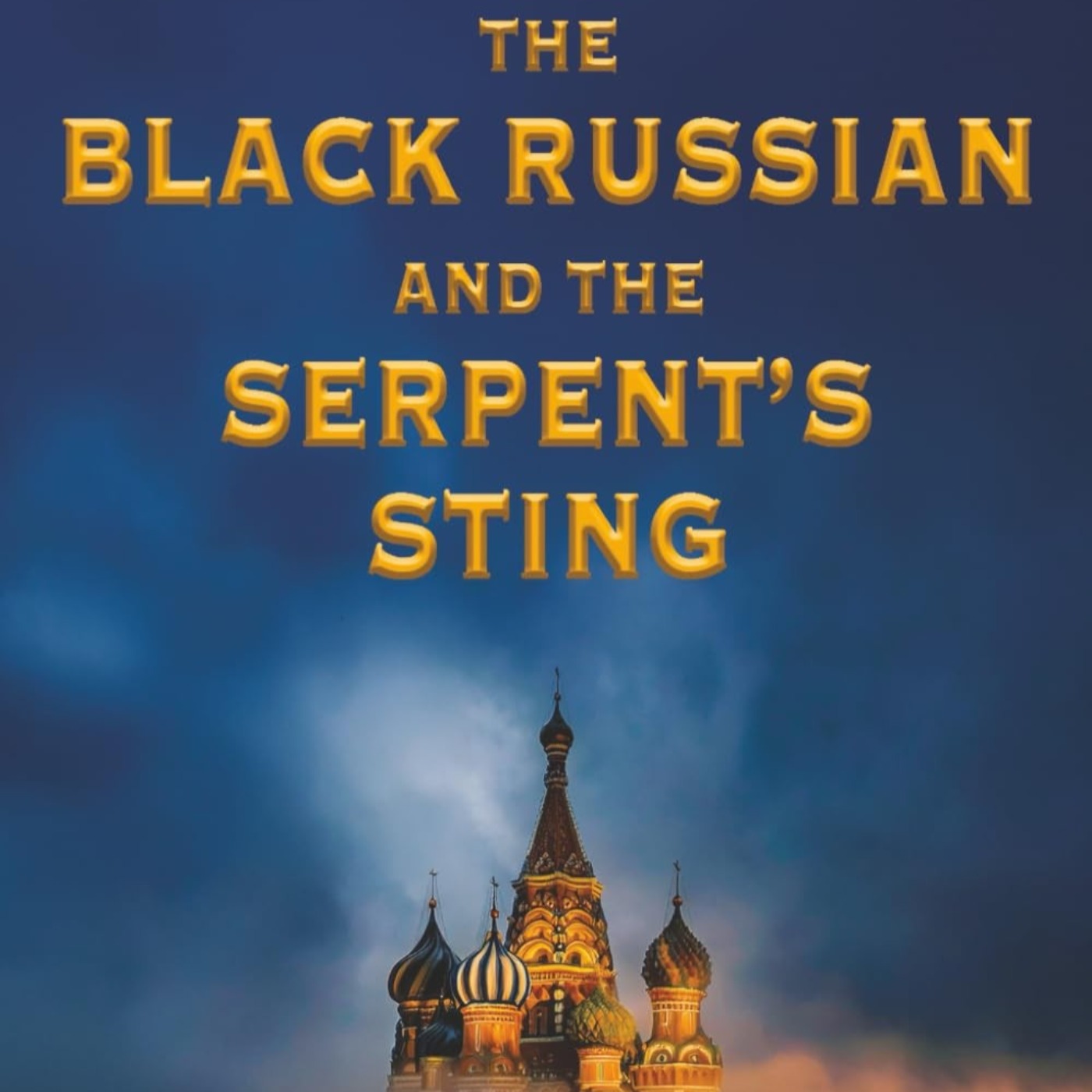
The Further Adventures of the Black Russian
A decade ago, Vladimir Alexandrov published an excellent biography, The Black Russian, about an unknown historical figure–Fredrick Bruce Thomas. Thomas was a Black Mississippian who moved to Imperial Russia and became a successful Moscow nightclub owner until Revolution forced him to flee. Thomas’ life is a window into post-emancipation Black American aspiration, struggle and cosmopolitanism. Alexandrov found Thomas such an intriguing character, he couldn’t let him go. So now, Thomas is the prin...
Jan. 20, 2026
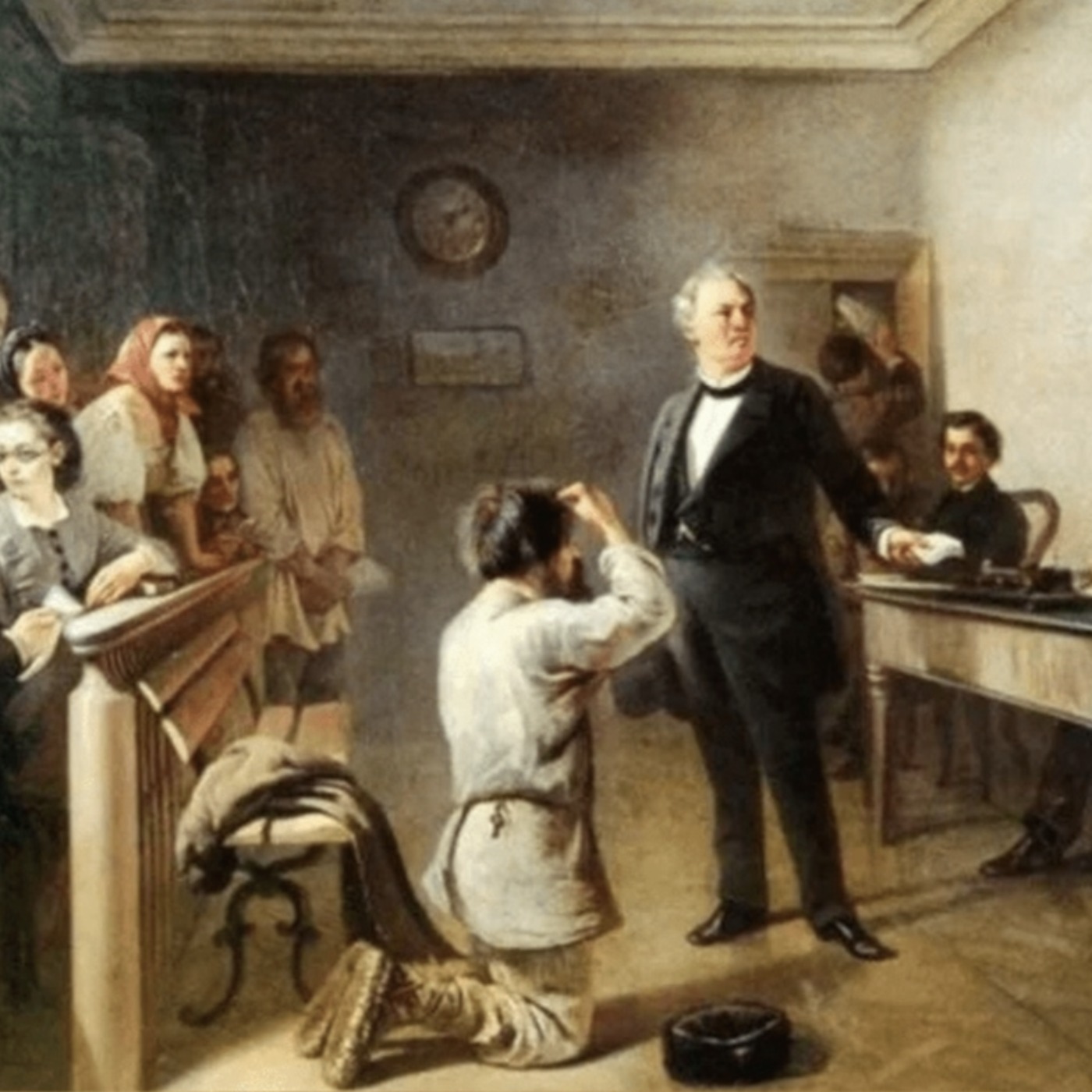
The Great Reforms
Alexander II’s Great Reforms were sweeping. They freed over 22 million serfs, overhauled the judicial, university, and municipal systems, and loosened censorship, among others. It was one of those pivot points in Russian history. If successful, Russia would have charted a more liberal path or stay on the autocratic road if a failure. Most historians have ruled them a failure. But what were the reforms trying to accomplish? What kind of Empire did it seek to create? Could they turn subjects of an...
Jan. 5, 2026
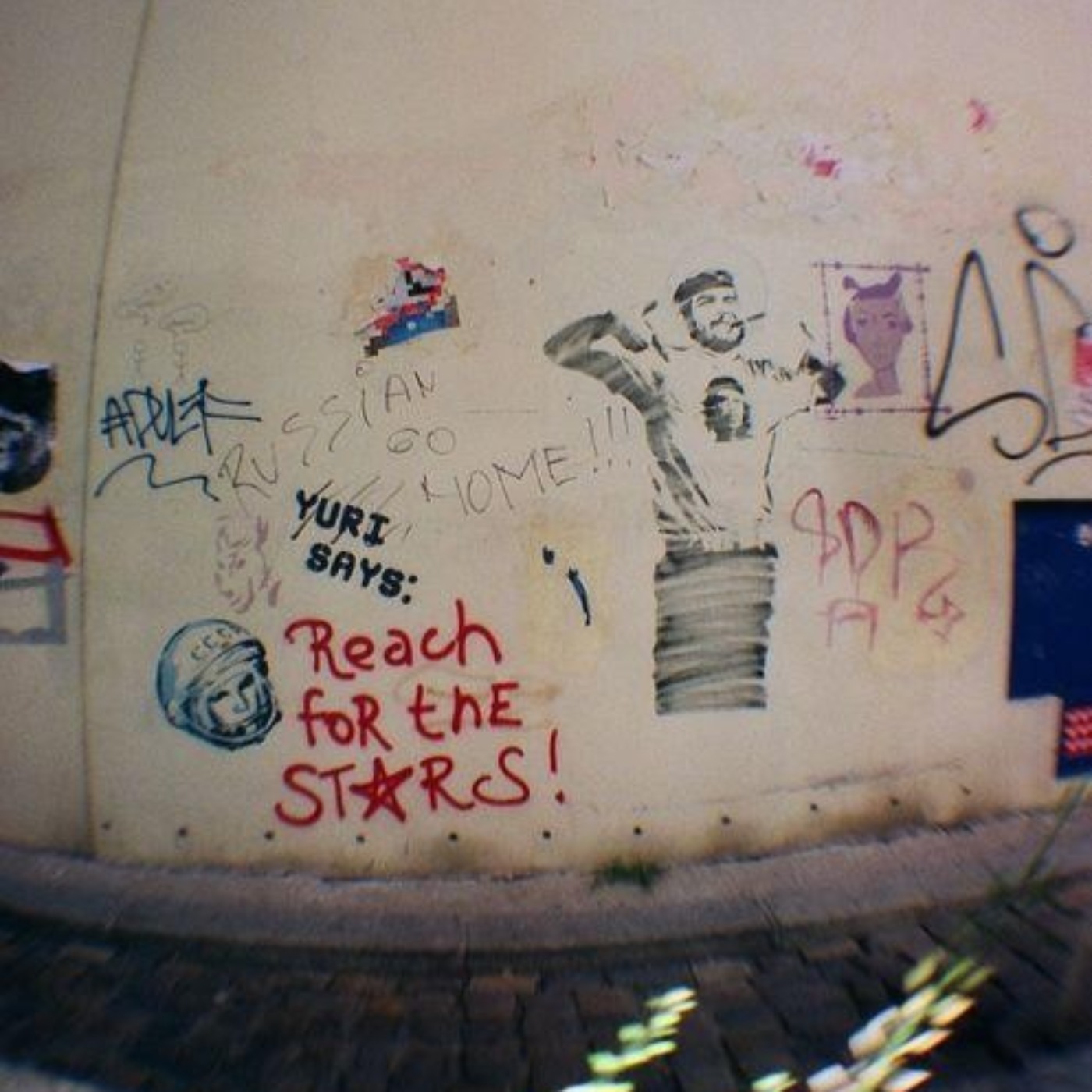
Post-Soviet Graffiti
I love street art. And I don’t care in what form. Beautifully crafted murals. Spraypainted gang tags. Scrawls on bathroom stalls. Even guerilla sticker mosaics on streetlights. I especially like how street art alters the narrative of a space. So, I was excited when I received a copy of Alexis Lerner’s book, Post-Soviet Graffiti. Post-Soviet street art has gotten little scholarly attention making the topic ripe for exploration and discussion. Post-Soviet graffiti shares a lot with its global coun...
Dec. 15, 2025
The Stiliagi
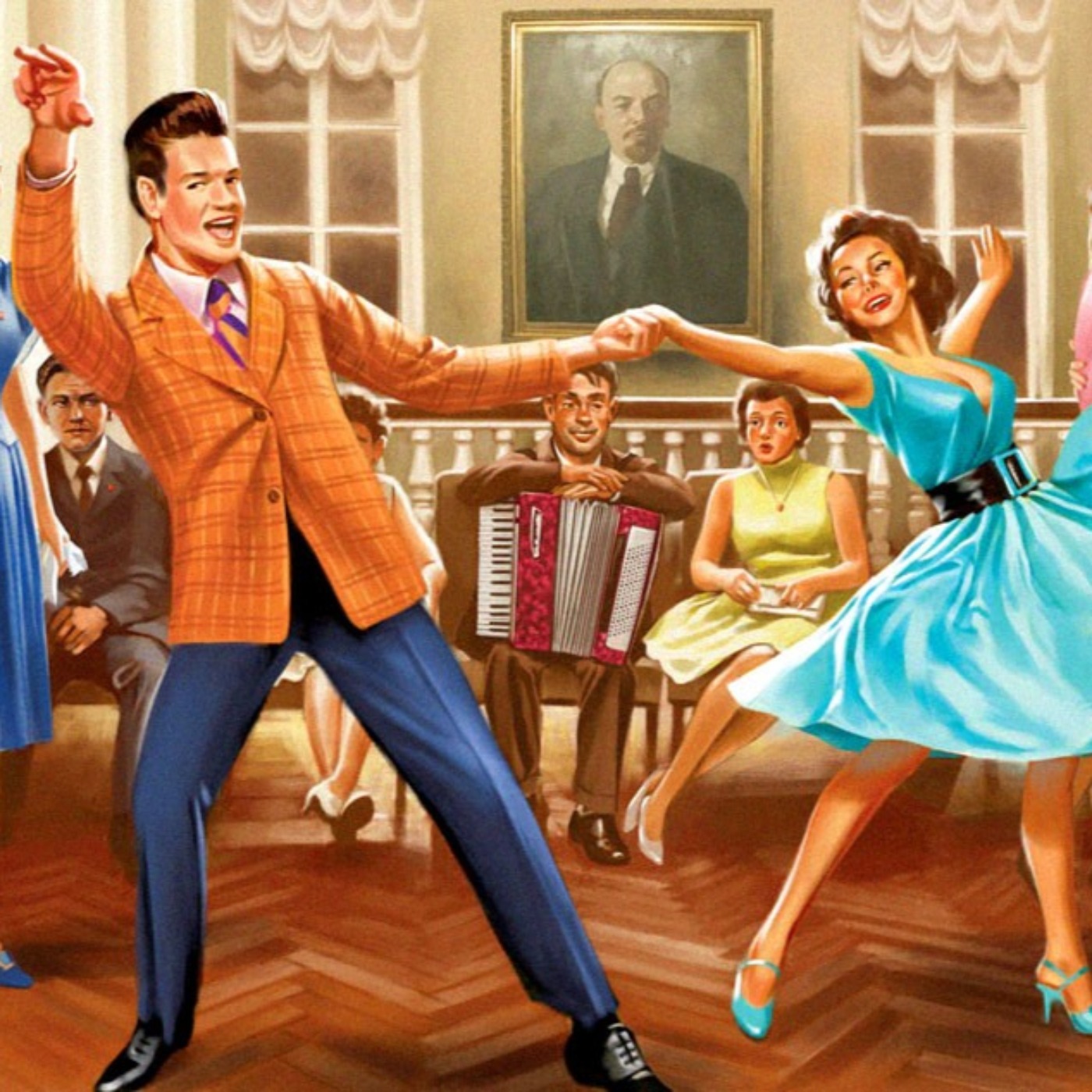
A new youth subculture emerged in the Soviet Union in the late 1940s and early 1950s–the Stiliagi. Roughly translated as “the stylish,” these youths, the majority of whom were men, wore flashy hairstyles and bright colored clothes, danced to jazz, and were obsessed with Western aesthetics. And of course, this style broke Soviet conventions, challenged social norms, and expanded gender performance. Though the exact origin of the Stiliagi is murky, it arose alongside other Western youth subculture...
Nov. 24, 2025
Fraternization and Survival During WWII
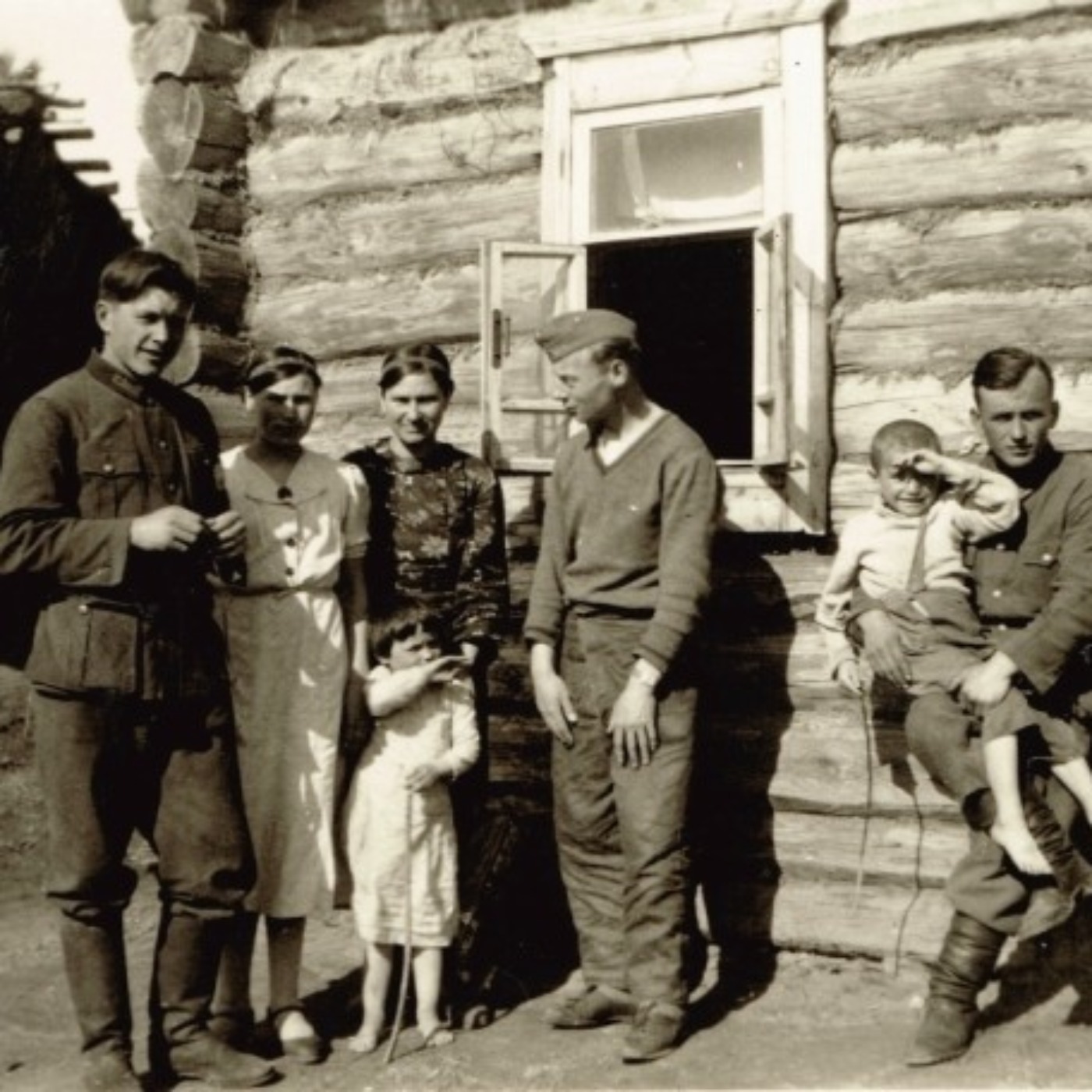
Soviet ideology called for the emancipation of women. Soviet women would be active participants in public life, unburdened by the home, children, and husbands, and serve equally in the building and defense of the Soviet state. Reality, however, was different, especially during WWII. Soviet women did serve in the Red Army and partisans. But life at war was more than the heroic tales we know today. Soviet women were often abused by their commanders and fellow soldiers or viewed as suspicious, weak...
Nov. 17, 2025
The Art of War
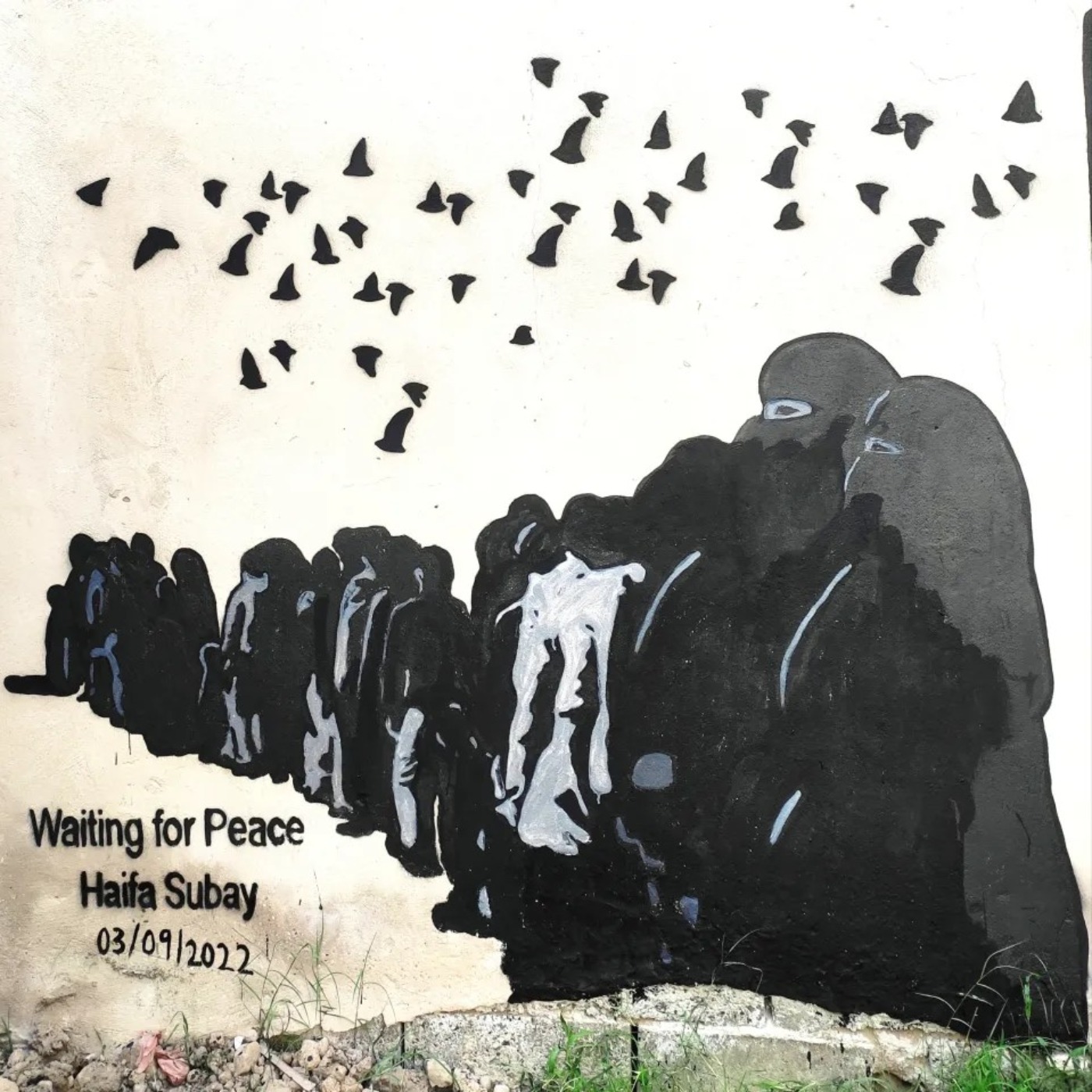
About two years ago, I was brought on to a podcast project started by the Global Studies Center at the University of Pittsburgh. The initial pitch was to produce a student-led podcast featuring two threatened artists that are part of the Pittsburgh Network for Threatened Scholars (PiNTS). I’m proud to feature the end result, The Art of War. It features two artists, the Yemeni street artist, Haifa Subay, and the Ukrainian poet, filmmaker, and musician, Oleksandr Fraze-Frazenko, about exile, art, ...
Oct. 27, 2025
How Peat Electrified the USSR
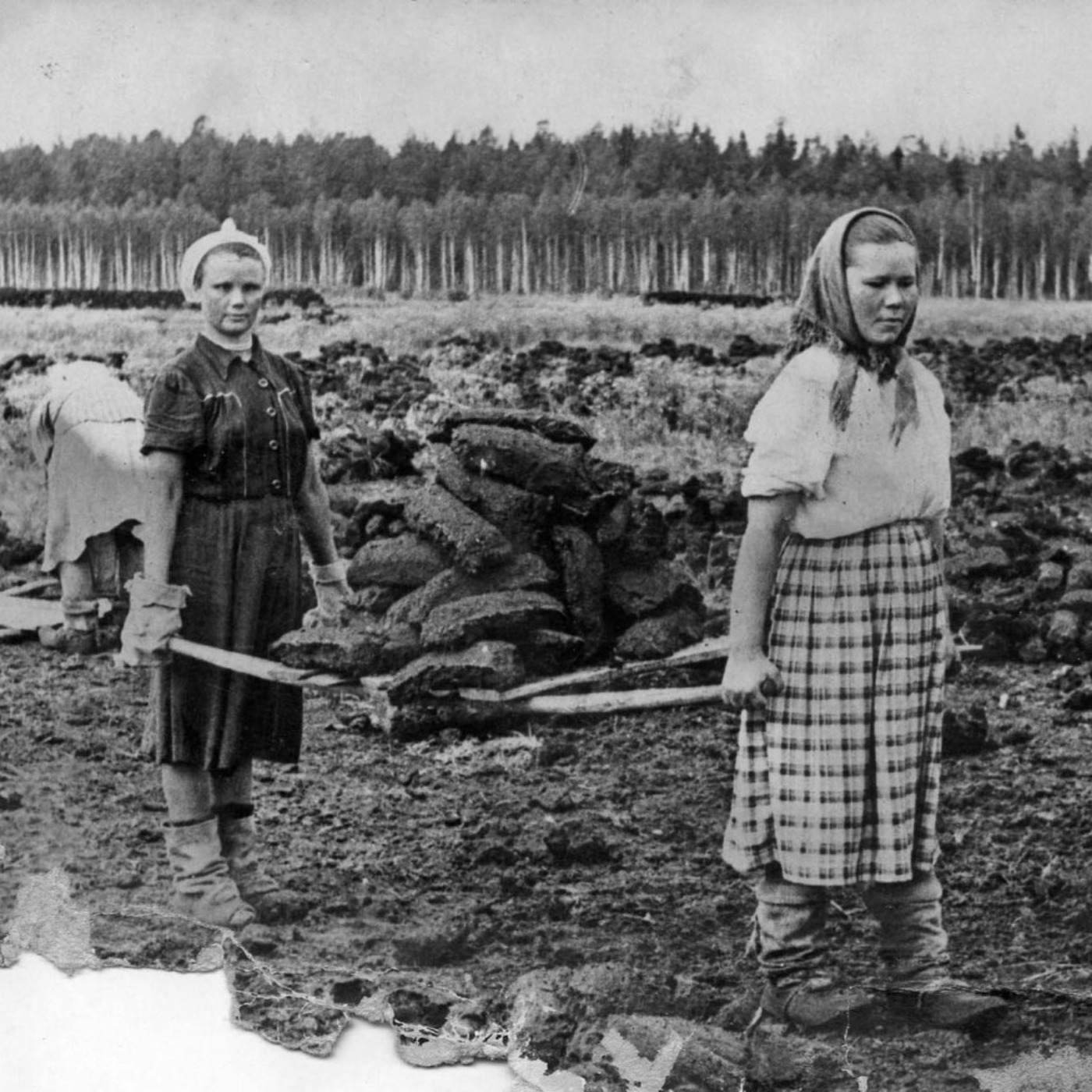
What is peat? We had no idea until the Eurasian Knot spoke to Katja Bruisch about how this coal-like soil was an energy source in Russia and the Soviet Union. Found in wetlands, peat is the extracted top soil that is dried and burned for fuel. It was a marginal, but important, energy source in industrialization. Peat was also used as a localized source to produce electricity for Lenin’s Electrification campaign. Because, as the old man put it, “Communism is Soviet power plus the electrification ...
Oct. 20, 2025
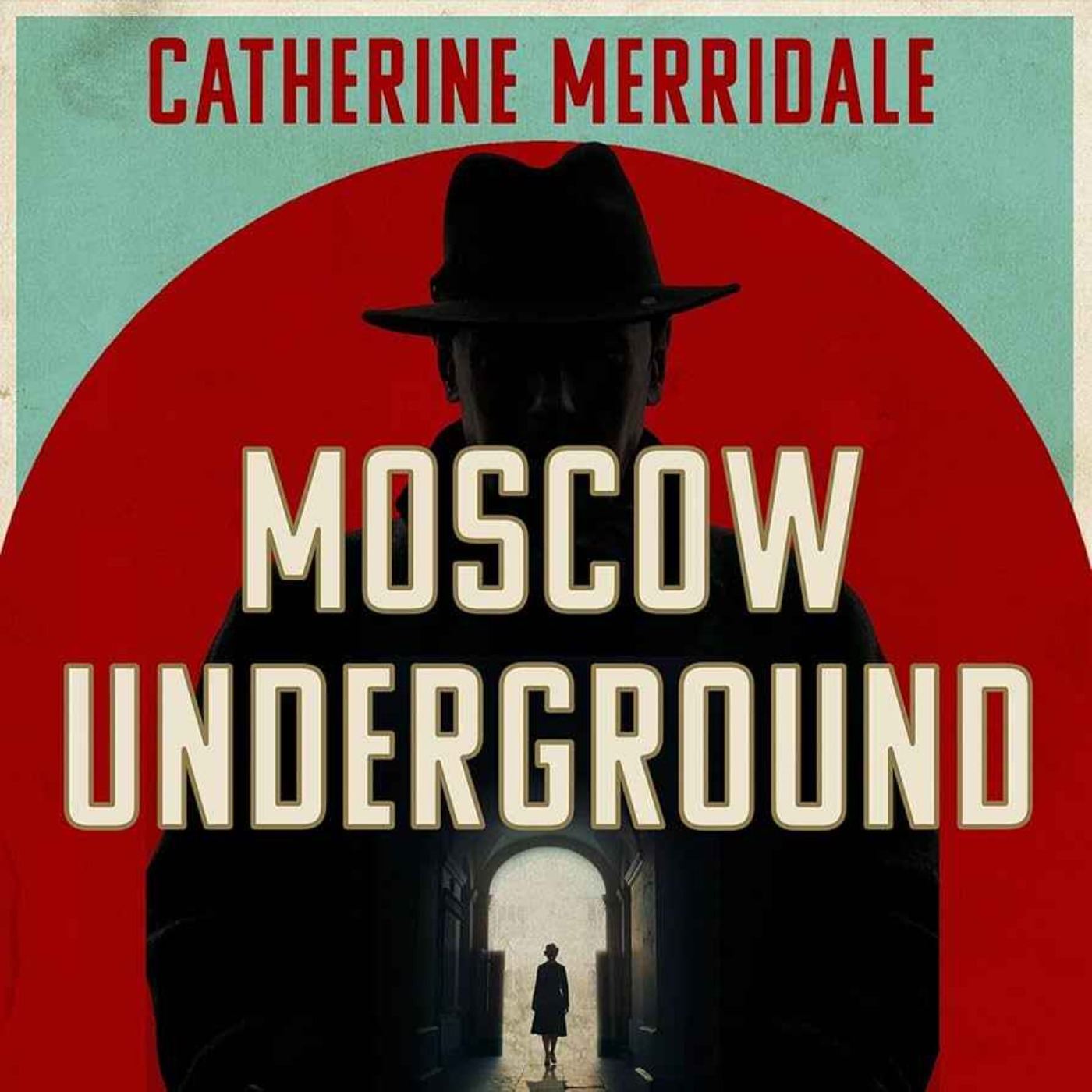
Murder Mystery in Moscow
I’ve grown to admire historians like Catherine Merridale. You know, those historians who buck academic conventions to write for a non-academic audience. This was quite a change for me since I used to hold such work in contempt (or was it jealousy) when I was a snot-nosed, snobby grad student. So I jumped at the chance to interview Merridale and talk about the historical craft and its relationship to detective fiction in her first novel, Moscow Underground. As she explains, there’s some liberatio...
Oct. 13, 2025
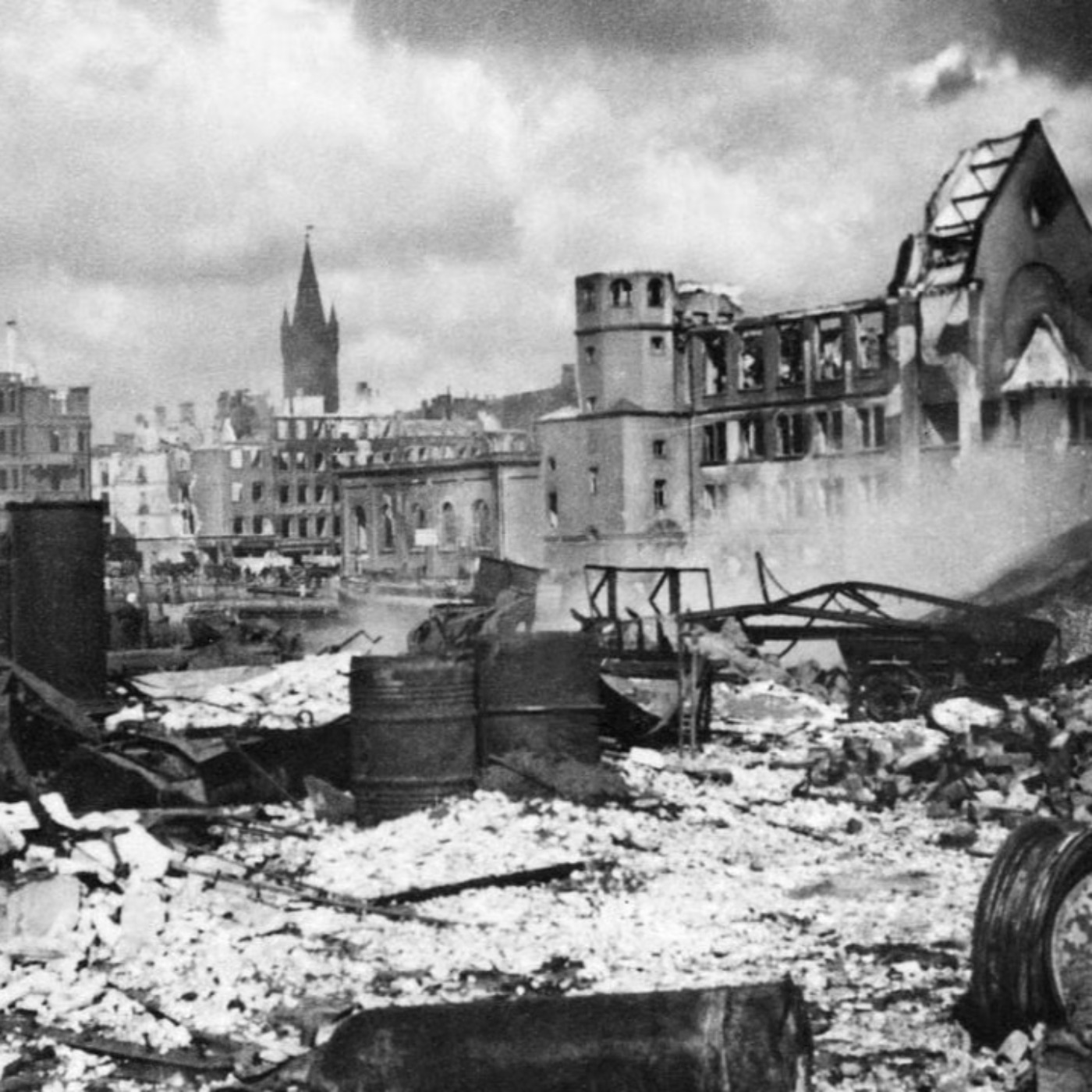
How Konigsberg Became Kaliningrad
The Prussian city of Konigsberg is well-known as the birthplace of Immanuel Kant. But in many ways it’s also a microcosm for the twentieth century. Founded in the 13th century by Teutonic knights, the city served as a key trading center for the Prussian Empire until the Polish corridor severed it from Germany after WWI. It is then that the history of Konigsberg takes an even more dramatic turn. Its “Germanness” became an object of debate and political exploitation. By the early 1930s, it had one...
Sept. 29, 2025
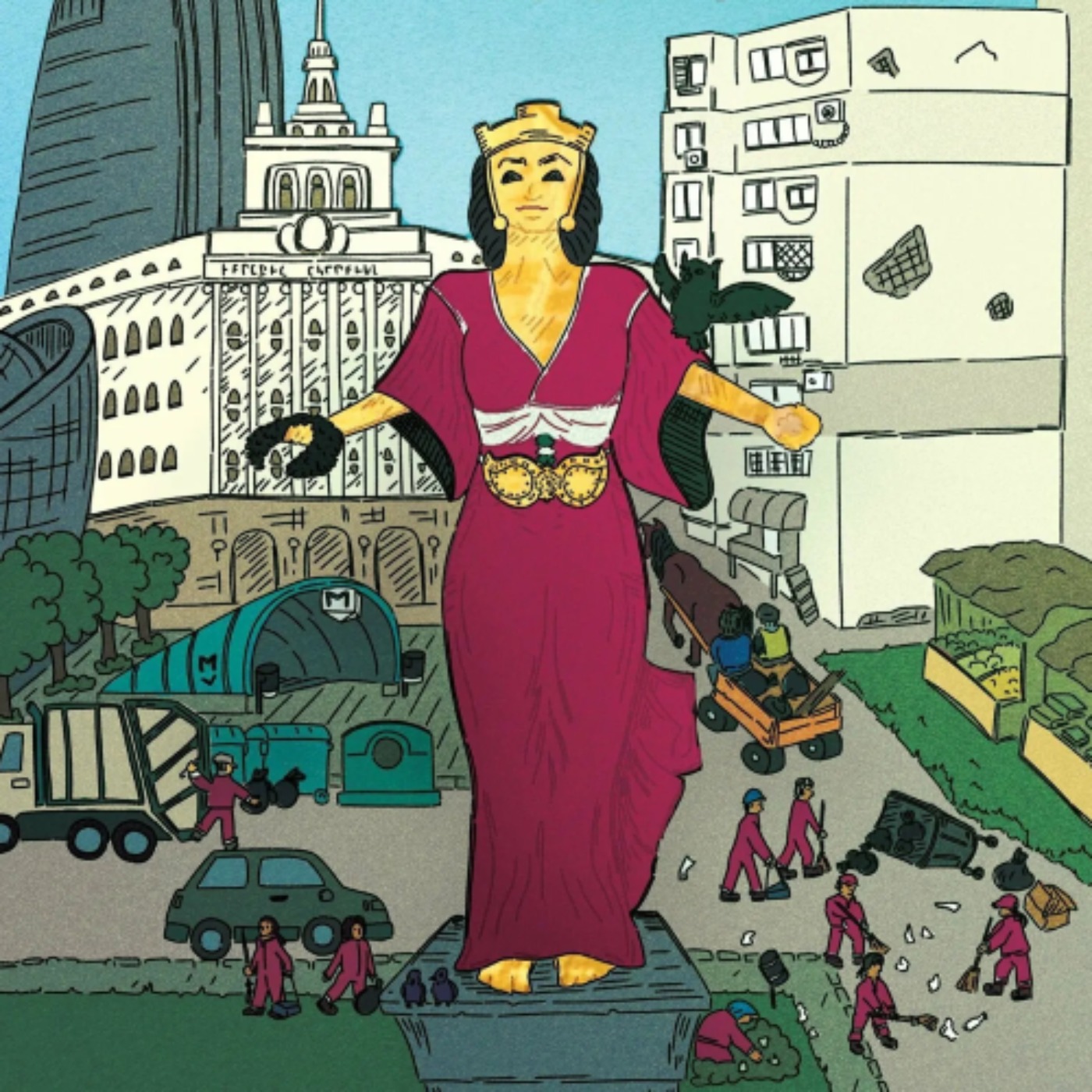
Romani, Waste, and Race in Bulgaria
There’s a paradox at the center of Elana Resnick’s book, Refusing Sustainability: Race and Environmentalism in a Changing Europe. EU policies of environmental sustainability in Bulgaria require the racialization of Romani into a permanent low-skilled and impoverished workforce. Waste management required teams of Romani streetsweepers and trash collectors to sort trash into waste, recyclables and compost, and bring them for processing and reuse. This labor was historically filled by Bulgaria’s Ro...