The Georgian August 1924 Uprising
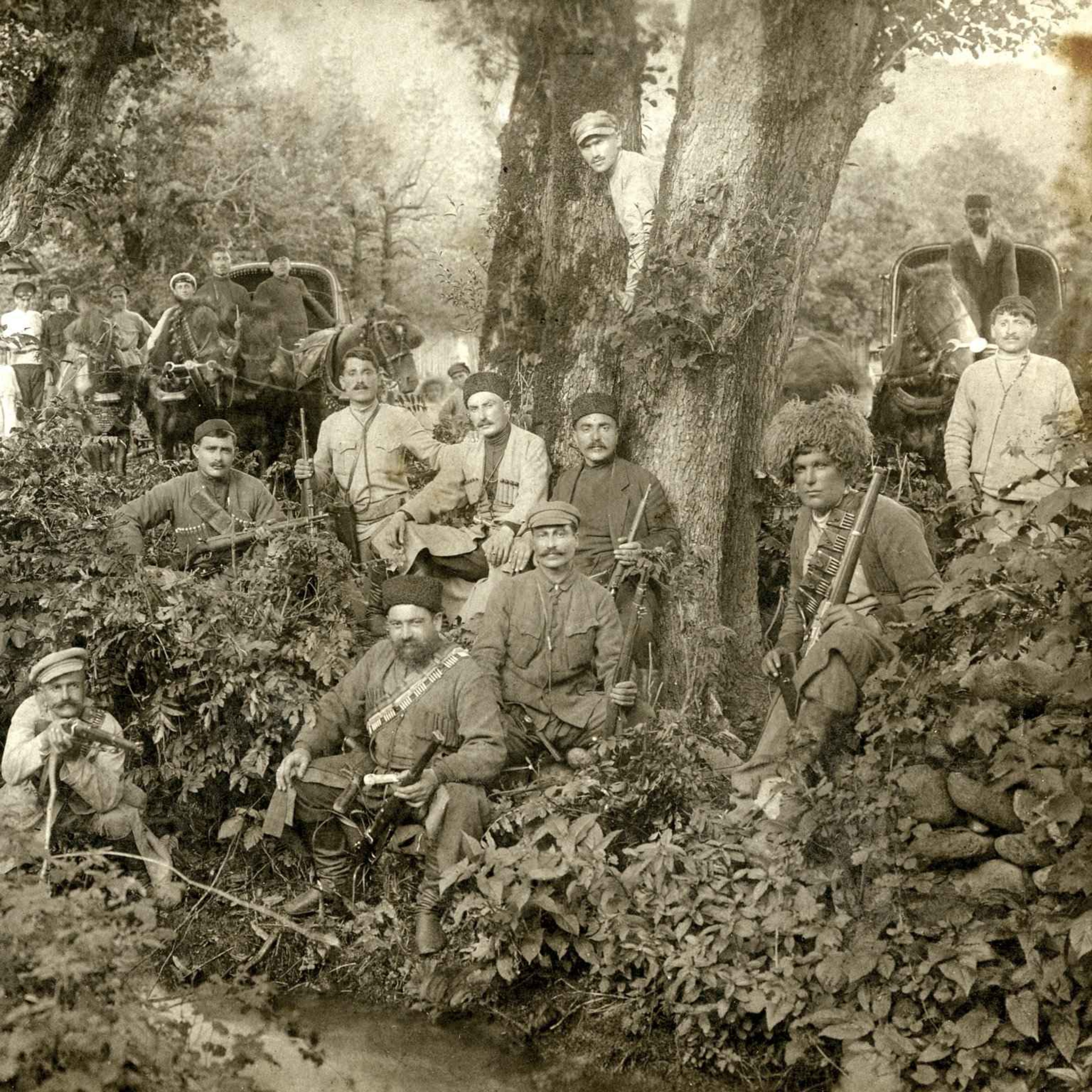


In August 1924, a group of rebels organized by the anti-Bolshevik Committee for the Independence of Georgia and led by the Georgian Social Democratic Party, rose up against Soviet forces in the mining town of Chiatura. The Bolshevik reaction was swift and harsh. The fear of another "Kronstadt” still haunted the Bolsheviks, especially since their control over Georgia was tenuous. The uprising failed. Thousands were killed. Its ringleaders either fled into exile or were executed by the Georgian Cheka, then led by Levrenti Beria. The uprising was the culmination of Georgian opposition to Bolshevik rule after the fall of the Menshevik-led Republic in 1921. This small but significant story about Georgian resistance and a social-democratic alternative to Bolshevism has remained in obscurity. That is, until Eric Lee came along. Eric is a passionate partisan for Georgia. Not just for the place and its people. But for the promise that early Republic and its Menshevik leaders represented for the history of social democracy. What were the roots of this uprising? What was Bolshevik rule in Georgia? And how does the Social Democratic Republic and the August Uprising fit into today’s memory politics in Georgia? The Eurasian Knot spoke to Lee to get a fuller story behind this almost forgotten moment in the history of Georgian resistance to Russian rule.
Guest:
Eric Lee is an author, journalist and historian. He’s the author of several books. The most recent is The August Uprising, 1924: The Georgian Anti-Soviet Revolt and the Birth of Democratic Socialism published by McFarland Publishers.
Hosted on Acast. See acast.com/privacy for more information.