Soviet Protestants
Miriam Dobson on Protestant faith and community after Stalin


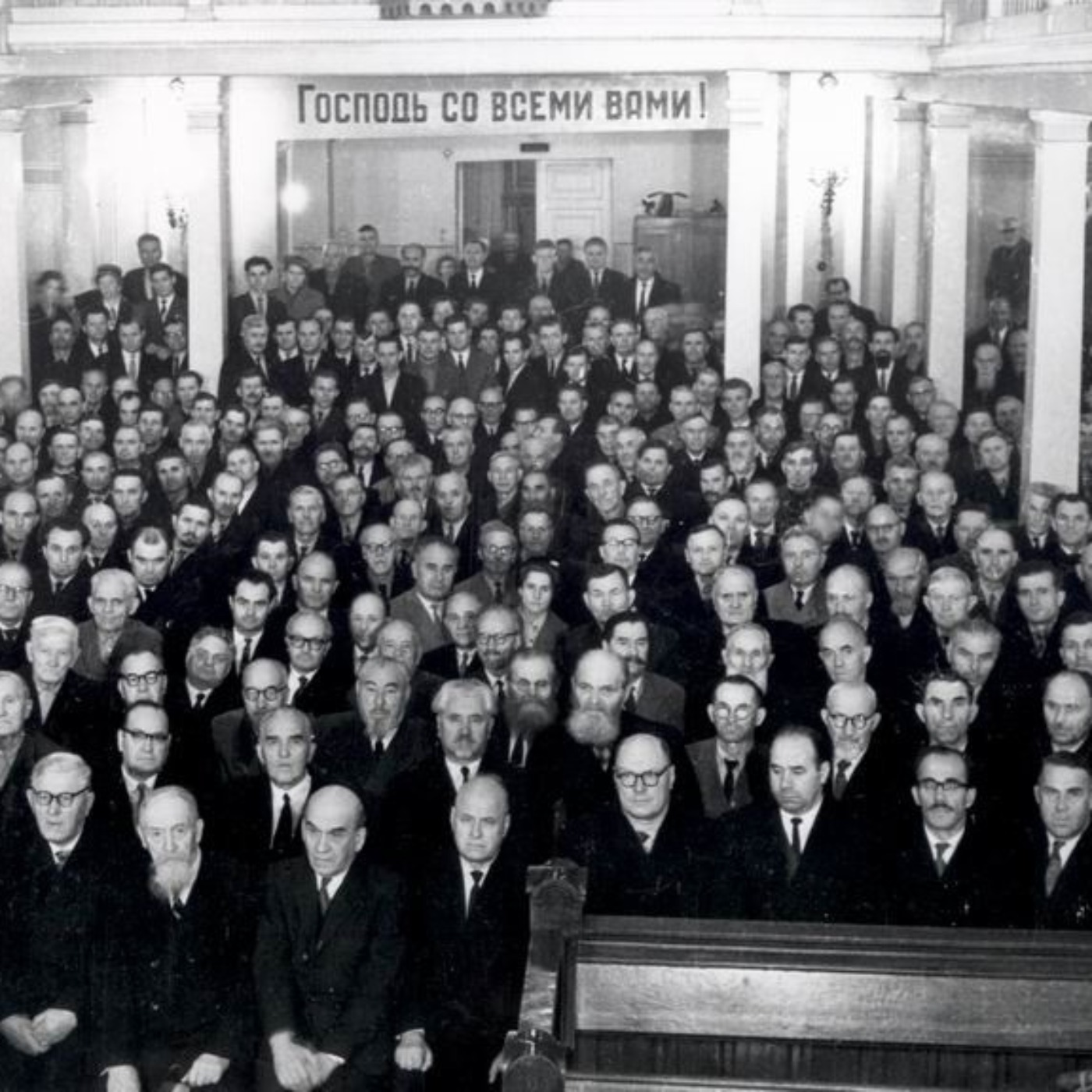
We tend to think of the 1990s when it comes to Protestantism in Russia. It was then that evangelicals descended on Russia to shine Jesus’ light into the post-Soviet void. Yet, the Soviet Union, despite its best efforts, was a multiconfessional state. And though officially atheist, religious belief persisted, including among the Union’s small pockets of Protestants. Like with other faiths, the state’s relations with Protestants vacillated between repression, accommodation, and control. As Miriam Dobson says in her new book, The Unorthodox, things shifted after Stalin’s death. By the 1960s, regulating religious life fell under the purview of the Council of Religious Affairs. Sure, the state still emphasized atheism, closed churches, and prosecuted Protestants. But its methods were more surgical and the Council relied more on policing the margins over mass repression. So what was life like for the USSR’s Protestant minority? How did they practice their faith and maintain community despite pressures of family, society, and the state? And how did all of this connect to the larger Cold War context where the USSR’s archenemy was a Protestant majority country? The Eurasian Knot talked to Miriam about The Unorthodox to learn more about Protestant faith and community during the Cold War.
Guest:
Miriam Dobson is a Reader in Modern History at the University of Sheffield. She is the author of Khrushchev's Cold Summer: Gulag Returnees, Crime, and the Fate of Reform after Stalin and The Unorthodox: Soviet Protestants in Cold-War Ukraine and Russia published by Cornell University Press.
Hosted on Acast. See acast.com/privacy for more information.