REEES Faculty Spotlight: Gregor Thum


The history of borders and nations in Eastern Europe is fraught. What we even call the region is a site of contestation. Is it “Eastern Europe,” “Central Europe,” or “East Central Europe”? For Pitt historian Gregor Thum, space and how it’s delineated matters. This is especially the case for Germany and its eastern borderlands and people. Empire, war, ethnic cleansing, and shifting borders have left their marks on regional identity and memory. To the point, as Thum explains, a simple photograph he took in Poland can be interpreted with suspicion. How did the German empire regard its east? How do its shifting borders continue to live with us today? And how do we wrestle with the fractured memories that inhabit the national bricolage of Eastern Europe? The Eurasian Knot spoke to Gregor Thum to highlight his scholarship for a Pitt REEES Faculty Spotlight.
Guest:
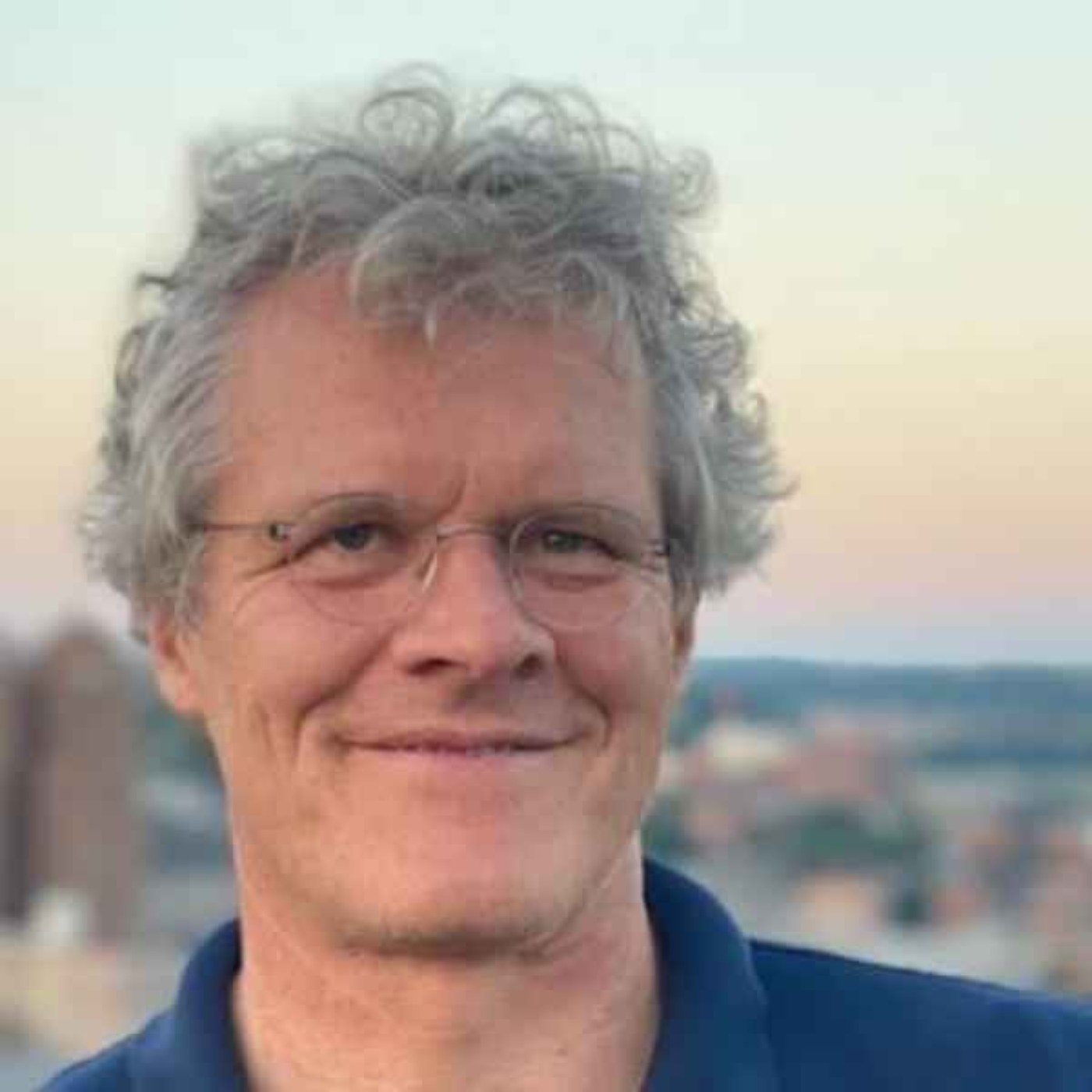
Gregor Thum is an Associate Professor in the History Department at the University of Pittsburgh. He specializes in the history of empire, forced migration and memory in Central Eastern Europe. He’s the author of Uprooted: How Breslau became Wrocław during the Century of Expulsions published by Princeton University Press.
Hosted on Acast. See acast.com/privacy for more information.