Performing Womanhood in Romania
Cristina Modreanu on the "other white woman"


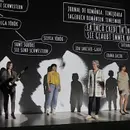
Theater in communist Romania was under strict control. Actors and directors had to serve as informants to the Securitate, the secret police, if they wanted successful careers. Performances had to adhere to ideological orthodoxy. This meant that representations of women followed rigid guidelines. Yet, as Cristina Modreanu argues, theater reflected society and shaped public imagination through a coded “double language” that opened some space for critical representation of womanhood. Then in 1989, communism fell, and suddenly Romanian playwrights could stage feminist criticism of womanhood. But what did “womanhood” mean in these new conditions? How did Western feminism shape Romanian representations? Modreanu says that the post-1989 Romanian woman became the “other white woman,” a figure lesser than her Western counterpart. She’s a migrant Cinderella who does menial labor in the West. Cristina Modreanu recently visited Pittsburgh, so the Eurasian Knot jumped at the opportunity to discuss the Romanian woman, her white otherness, and the state of theater.
Guest:
Cristina Modreanu is a theatre critic, curator and researcher at the University of the Arts in Târgu-Mureș, Romania. She’s the author of Performing Womanhood in Eastern Europe: The Other White Woman published by Routledge.
Hosted on Acast. See acast.com/privacy for more information.