Boris Nemtsov
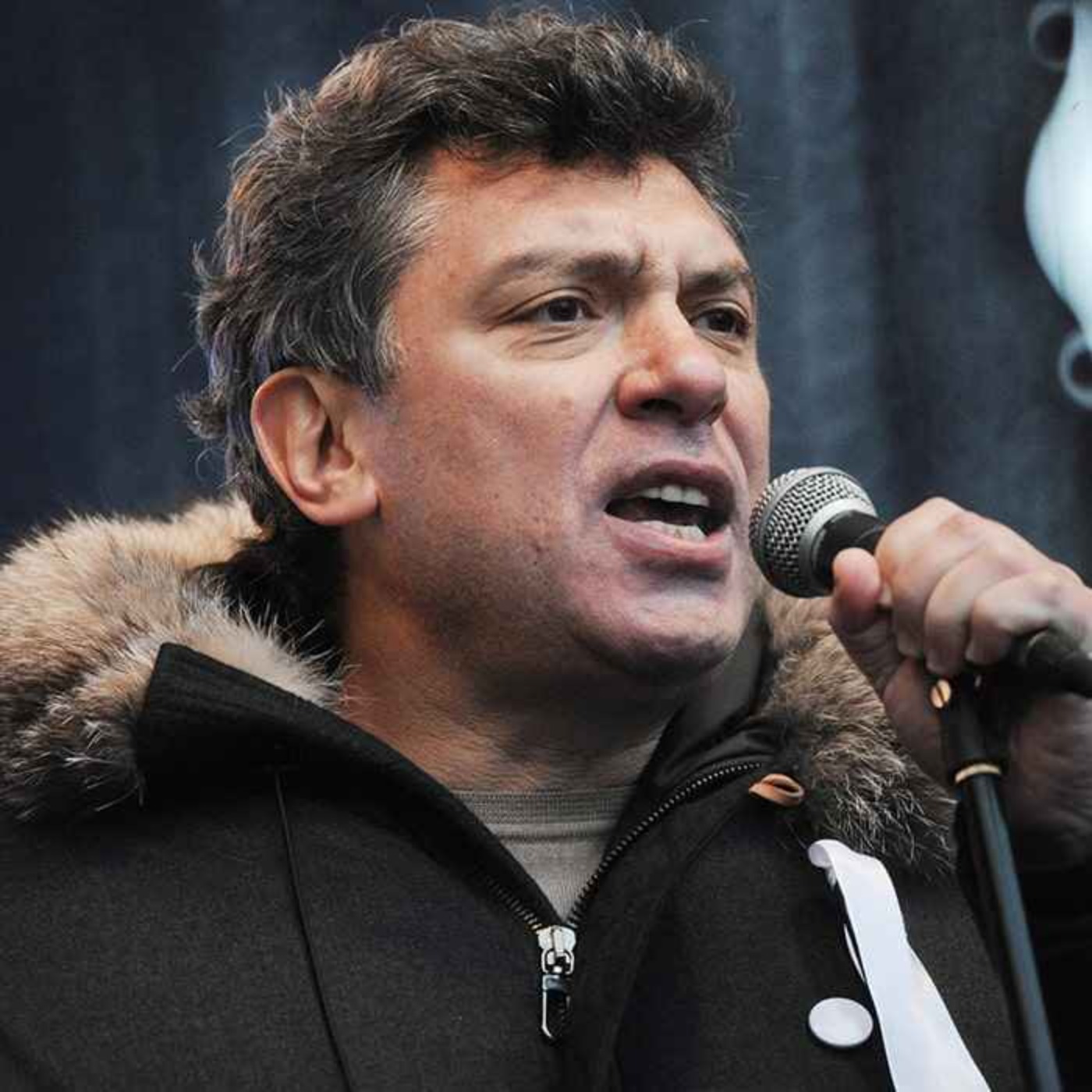


On the night of 27 February 2015, assassins gunned down Boris Nemtsov as he crossed the Bolshoi Moskvoretskii Bridge. Shock quickly spread throughout Russia, particularly among its political opposition. Not because Nemtsov was so brazenly gunned down. Such are the risks of being politically active in Putin’s Russia. Nemtsov had been a fixture in the movement since its earliest days, and in many ways one of its founders. That such an internationally well-connected figure could be wiped out in central Moscow signaled a grim turning point. Hindsight has proven this correct. A decade later, Russia is a very different place. But it always wasn’t like that. In the 1990s, Nemtsov was a young liberal darling, the charismatic hope to succeed Boris Yeltsin. That didn’t happen, as we all know. And another, totally different figure became President. As Mikhail Fishman writes in his political biography, The Successor: Boris Nemtsov, Vladimir Putin, and the Decline of Modern Russia, Nemtsov’s life and death had a profound influence on the political consciousness of his generation and nascent Russian liberalism. Who was Boris Nemtsov? How did he rise so quickly to political prominence in the 1990s only to be politically marginalized in the 2000s? Why was he murdered and who murdered him? The Eurasian Knot spoke to Fishman about Nemtsov, his life, and how it reflected Russia’s post-Soviet political development.
Guest:
Mikhail Fishman is one of Russia’s leading independent journalists, liberal thinkers, and political commentators. He’s the author of The Successor: Boris Nemtsov, Vladimir Putin, and the Decline of Modern Russia published by Penguin.
Hosted on Acast. See acast.com/privacy for more information.